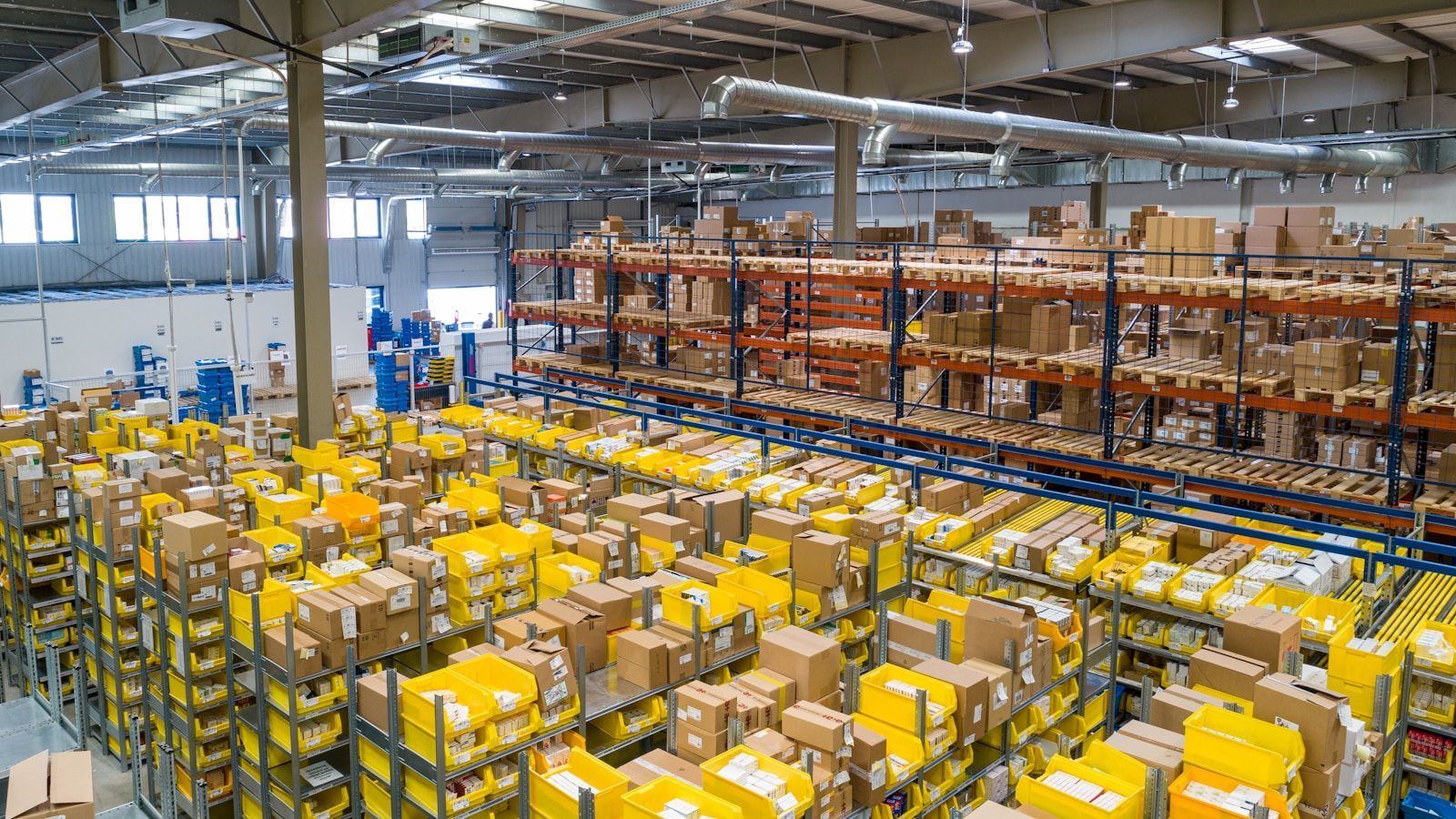

The Benefits of Scheduled Delivery Routes for Irish Businesses
Scheduled delivery routes give Irish businesses a regular, planned way to move goods between suppliers, branches, customers and service locations. Instead of arranging every collection as a separate booking, a company can agree recurring days, time windows and destinations with its logistics provider.
This approach can suit businesses with predictable parcel, pallet or specialist transport needs. It can also improve communication because the people preparing and receiving consignments know when the service is expected. The best schedule remains flexible enough to reflect volume changes, access restrictions and genuinely urgent deliveries.
What is a scheduled delivery route?
A scheduled route is a recurring collection and delivery plan. It may operate daily, on selected weekdays, weekly or at another agreed interval. The route can connect two regular sites or include several planned stops across a region or nationwide.
The logistics provider considers collection windows, delivery priorities, vehicle capacity, handling requirements and practical geography. Customers then prepare goods and receiving teams around the agreed plan. The service is still managed journey by journey, but the recurring framework removes the need to rebuild the same booking every time.
Scheduled does not mean inflexible
Volumes, destinations and priorities can change. A useful route agreement explains how additional consignments, cancelled stops or exceptional deliveries will be handled. Regular reviews help ensure that the schedule continues to match the customer’s actual operation rather than an outdated pattern.
More predictable collections and arrivals
One of the main benefits is predictability. Dispatch teams know when to complete picking and packing. Warehouses can prepare pallets before the collection window. Retailers, pharmacies, hospitality venues and commercial customers can arrange staff and access for the expected arrival.
- Plan packing and dispatch work around known collection days.
- Prepare loading bays, equipment and staff before the vehicle arrives.
- Coordinate receiving teams across branches or customer locations.
- Reduce repeated booking administration for regular movements.
- Review recurring delays and improve route or handover arrangements.
Less day-to-day delivery administration
Booking the same journey repeatedly takes time. Staff may need to re-enter addresses, contacts, opening hours and service instructions for each collection. A scheduled route allows the core information to be agreed in advance, leaving the business to confirm the consignments and any exceptions.
This can also make responsibilities clearer. The sender knows the booking cut-off and packaging expectations, the carrier knows the route and access details, and the receiver understands the usual handover process. Current contact details and consignment information still matter, but the routine becomes easier to manage.
A better process for recurring paperwork
Proof of delivery, consignment references and tracking updates can be organised consistently across regular routes. This helps customer service and accounts teams find the relevant record when a question arises. Businesses should agree which information is required and how it will be supplied.
Efficient use of logistics capacity
A recurring schedule gives the carrier an opportunity to plan vehicle space, route order and resources in advance. It may also allow compatible consignments to be arranged efficiently where the service and handling requirements permit. That does not mean every shipment should be combined; sensitive, urgent or unusual goods may need a different approach.
For the customer, regular planning can reduce last-minute bookings caused by stock or paperwork accumulating unnoticed. Moving appropriate quantities on a known cycle may be more practical than arranging many separate ad-hoc collections. The right frequency depends on volume, storage space, delivery deadlines and customer expectations.
How scheduled routes support different sectors
Pharmaceutical and cold chain deliveries
Pharmacies, healthcare suppliers, laboratories and related organisations may have regular movements between known facilities. A scheduled route can support planning, but every temperature-sensitive consignment must still follow the supplied packaging, transport and handover requirements. Location tracking and temperature monitoring serve separate purposes and should be agreed as part of the service.
Parcels, pallets and commercial supplies
Businesses can use recurring routes for documents, parts, retail stock, packaged orders or palletised goods. A parcel courier service may suit smaller items, while pallet delivery requires suitable loading and unloading access. Confirming the expected mix helps the provider allocate appropriate capacity.
Hospitality equipment and white goods
Hotels, restaurants, cafés, retailers and service contractors may need regular supplies alongside occasional bulky deliveries. Routine items can follow a schedule, while bar equipment, appliances and white goods may require separate handling, access planning or a dedicated movement. Keeping both needs within a broader logistics plan improves coordination.
Choosing the right delivery frequency
A daily route may suit high-volume operations or time-sensitive replenishment. Weekly or selected-day services may be better for predictable stock movements that do not require immediate dispatch. Some businesses use a core schedule with an ad-hoc courier option for urgent work.
Before agreeing the frequency, review average consignment numbers, peak periods, storage limitations, delivery deadlines and receiving hours. Avoid selecting a schedule only because it appears convenient. It should reflect when goods are actually ready and when customers can accept them.
Start with a realistic plan and review it after several runs. If the vehicle regularly waits for goods, the collection window may be too early. If volumes exceed the expected capacity, an additional collection or different vehicle plan may be appropriate. If certain stops repeatedly delay the route, access instructions or delivery order may need attention.
Information to agree before the first route
Provide accurate addresses, site contacts, opening hours, loading information and the expected type and volume of goods. Explain any special handling, temperature, security or proof-of-delivery needs. Both parties should know the booking cut-off and the process for reporting changes.
It is also helpful to agree how progress updates will work. Real-time vehicle tracking may support estimated arrival information, while direct communication is important when a stop, volume or access arrangement changes. Good visibility helps the schedule work as a managed service rather than a calendar entry.
Scheduled logistics across Ireland with LPL
Limerick Pharma Logistics supports scheduled business routes from Limerick to destinations across Ireland. LPL services include pharmaceutical delivery and cold chain transport, parcel courier services, pallet delivery and commercial courier work, as well as hospitality logistics, bar equipment delivery and careful appliance and white goods transport.
A route can be designed around regular collections, known destinations and the practical needs of the goods. Where requirements change, the schedule can be reviewed and adjusted rather than allowed to become inefficient.
Could a recurring route simplify your deliveries? “Request a scheduled logistics quote” from Limerick Pharma Logistics and share your collection points, destinations, frequency, volumes and handling needs.