
Cold Chain Logistics for Pharmaceutical Products in Ireland
Cold chain logistics helps pharmaceutical products move through Ireland under planned, suitable conditions from collection to final handover. It is a connected process involving packaging, storage, loading, transport, monitoring and delivery. If one stage is poorly coordinated, the work completed at every other stage may be undermined.
For pharmacies, healthcare suppliers, laboratories, clinics and pharmaceutical distributors, dependable transport is therefore about more than choosing a vehicle. The logistics plan must reflect the product information supplied by the consignor, the route, the time in transit and the receiving arrangements. A clear plan also helps every person involved understand what needs to happen and when.
What pharmaceutical cold chain logistics involves
The pharmaceutical cold chain is the uninterrupted sequence used to manage temperature-sensitive products while they are stored, handled and transported. The precise requirements vary between consignments, so the sender’s documented product and packaging instructions should guide the service.
A transport provider may need to consider insulated containers, cooling materials, temperature-controlled load space, monitoring equipment and journey duration. These elements should work together. Appropriate packaging cannot compensate for an unnecessarily delayed handover, while a prepared vehicle does not remove the need for careful loading and receiving.
A chain rather than a single journey
Cold chain transport sits between other controlled steps. Before collection, the product may be held in suitable storage and prepared in validated packaging chosen by the responsible organisation. After delivery, the receiver must accept it promptly and place it into the next appropriate environment. The road journey is important, but it is only one link in that sequence.
Planning before a pharmaceutical collection
Good preparation begins with accurate information. The carrier needs to understand the consignment size, weight, packaging format, requested conditions, collection window, delivery deadline and any handling instructions. Both the collection and delivery contacts should be confirmed before dispatch.
The route also deserves attention. A direct service may be appropriate where timing is narrow or handling points need to be limited. A scheduled logistics route can suit regular movements between known facilities, provided that the agreed service matches the needs of each consignment.
- Confirm the collection and delivery addresses, contacts and access details.
- Provide the required transport conditions and packaging information.
- Agree the collection window and realistic delivery deadline.
- Identify whether the consignment can be consolidated or needs a dedicated movement.
- Specify the tracking, monitoring and proof-of-delivery information required.
Sharing these details early gives the logistics team time to plan vehicle capacity, route order and handover. It also reduces the risk of a driver arriving at a site without the correct contact, access instruction or expectation.
Packaging, loading and transport conditions
Preparing the consignment
The organisation responsible for the product should select and prepare packaging that is suitable for the goods and expected journey. The outer container should be clearly identifiable, secure and practical to handle. Internal materials should remain arranged as intended, and the completed package should be protected from crushing, tipping or unnecessary opening.
Where temperature-monitoring devices accompany a shipment, their placement and use should follow the consignor’s process. The transport provider should know whether any device requires action at collection or delivery and who is responsible for the resulting information.
Loading and journey management
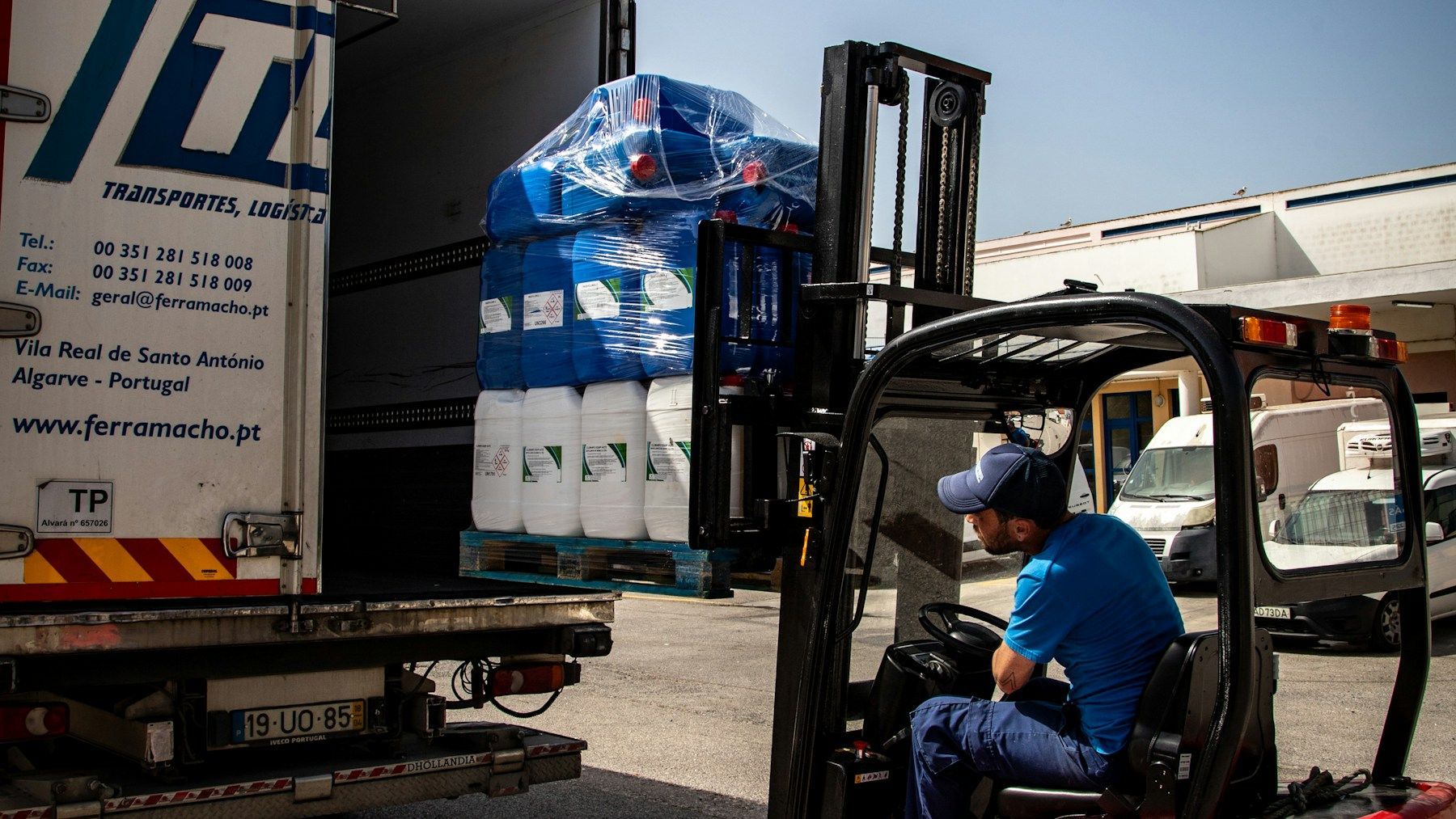
Loading should minimise time outside the intended environment. Packages need to be secured against movement and arranged so that the correct consignment can be removed without disturbing other goods. A planned loading sequence is particularly useful on multi-stop or scheduled routes.
During transport, real-time vehicle tracking can help the logistics team follow the journey and communicate about arrival times. Temperature data serves a different purpose by providing information about conditions. Keeping these functions distinct makes reports easier to understand and helps customers request the evidence they actually need.
Managing handovers and delivery records
A pharmaceutical delivery should not end with a package left at an unattended reception area. The receiving contact, access route and handover point should be agreed beforehand. If a location has restricted hours or a lengthy internal check-in process, that information belongs in the route plan.
Proof of delivery creates a record that the consignment reached the nominated receiver. Depending on the agreed process, the handover may also include recording the delivery time, receiver details and relevant consignment references. Clear records support traceability and make it easier to answer later questions without relying on memory.
If a delay or access problem develops, prompt communication is essential. The logistics team can contact the sender or receiver and follow the agreed instructions rather than making an assumption about a sensitive package.
Choosing a pharmaceutical logistics provider in Ireland
A suitable provider should ask practical questions, explain the proposed service and avoid promises that are not supported by the journey plan. Businesses should consider handling capability, route coverage, communication, vehicle suitability, monitoring options and delivery records alongside price.
Regular customers may benefit from documented collection instructions and scheduled routes. Once a service is operating, review actual collection times, waiting periods, receiving arrangements and recurring delays. Small changes to a booking cut-off, contact list or delivery sequence can make the process more dependable.
Limerick Pharma Logistics supports pharmaceutical delivery and cold chain transport from Limerick to destinations across Ireland. LPL also provides parcel courier services, pallet delivery, commercial courier work and scheduled logistics. For customers with broader operational needs, services extend to hospitality logistics, bar equipment delivery and careful transport of appliances and white goods.
Building a practical cold chain process
An effective process is clear, repeatable and proportionate to the consignment. The sender provides accurate product and packaging requirements; the carrier plans and communicates the movement; and the receiver is prepared for prompt handover. Each party protects the continuity of the chain.
Businesses can strengthen future deliveries by keeping contact details current, reviewing delivery records and reporting recurring issues. They should also reassess the plan when the product, packaging, destination, volume or delivery schedule changes. A route that worked for a small monthly consignment may not be right for higher volumes or more frequent deliveries.
Planning a pharmaceutical movement? “Request a cold chain delivery quote” from Limerick Pharma Logistics and provide the route, timing, package details and required transport conditions so the team can discuss a suitable service.