
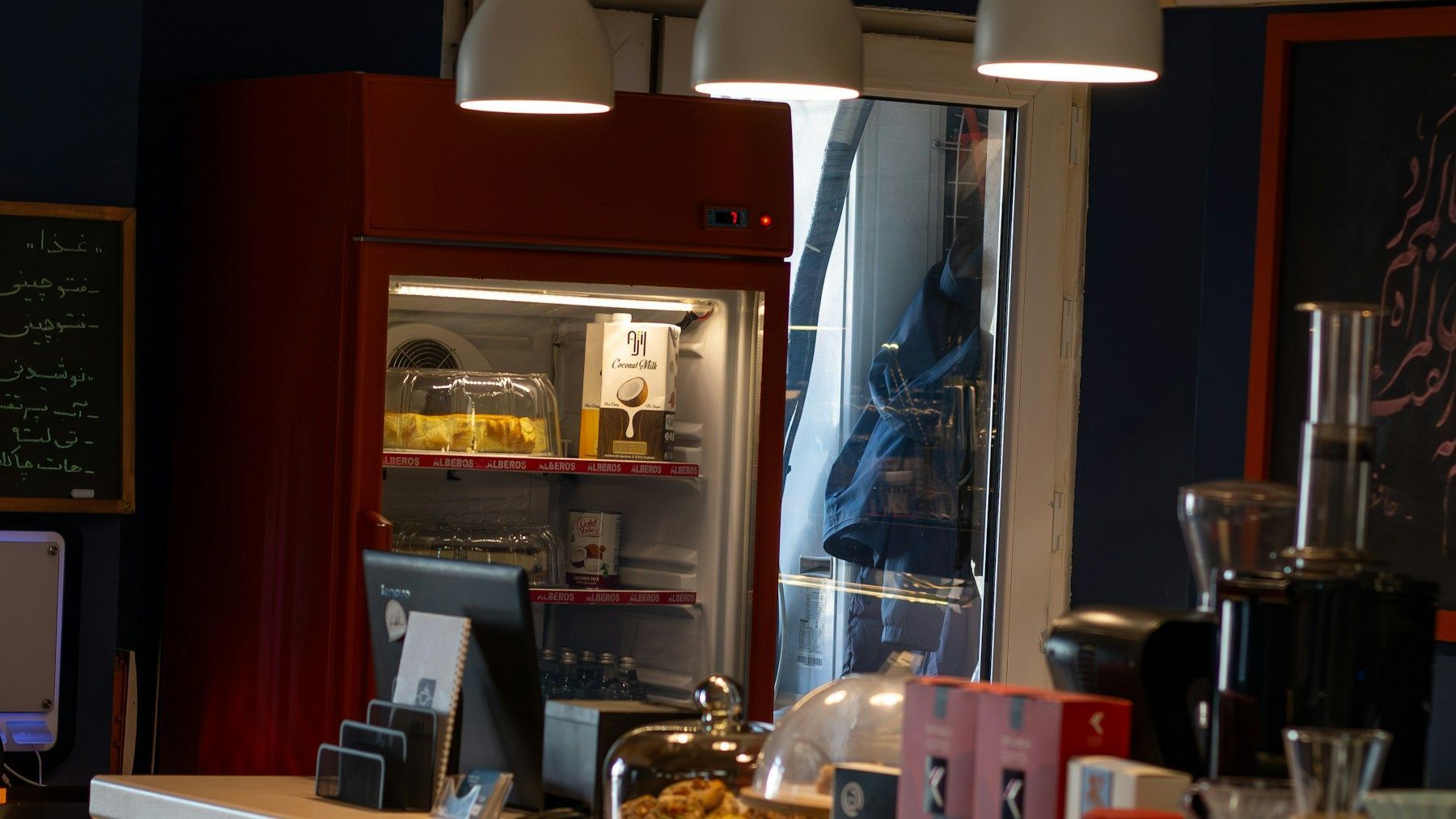
How Reliable Deliveries Keep Hospitality Businesses Running

August 24, 2026

Share this article

Hospitality businesses rely on a steady flow of products and equipment to serve customers every day. When essential supplies arrive late, incomplete or at the wrong entrance, the effect can reach the kitchen, bar, bedrooms, functions and front-of-house service. Reliable deliveries provide the operational consistency that helps hotels, restaurants and cafés keep running smoothly.

Hospitality operations depend on timing

A hotel, restaurant or café works around live service periods. A late delivery can affect customers within hours rather than days, particularly when it contains ingredients, beverages, linen, consumables or replacement equipment. Reliability therefore means more than travelling quickly. Goods must arrive complete, in suitable condition, at the agreed location and while authorised staff are available to receive and check them.

Different suppliers may serve the same venue during one working day. Without clear windows, vehicles can compete for limited loading space or arrive during breakfast, lunch, check-in or an event. A delivery plan gives each supplier practical instructions and helps duty managers prepare the people, equipment and storage space needed for an efficient handover without disrupting customers.

Stock availability protects customer service

Consistent replenishment helps managers maintain appropriate stock without filling limited back-of-house areas with excessive contingency supplies. When routine deliveries are dependable, teams can plan menus, rooms, events and service preparation with confidence. They are less likely to make rushed purchases simply because nobody knows when an outstanding order will arrive or whether every item has been dispatched.

Repeated shortages should be investigated rather than treated as unrelated emergencies. The cause may be late ordering, an unrealistic supplier cut-off, inaccurate usage information or a collection that no longer suits the venue. Reviewing the complete process can reduce urgent bookings while preserving a same-day courier option for equipment or supplies that genuinely cannot wait until the next scheduled movement.

Clear delivery windows support staff and drivers

An agreed window allows the venue to schedule receiving staff, clear the service entrance and avoid a clash with customer activity. Suppliers should hold the current trading name, full address, Eircode, loading instructions, permitted hours and telephone number for the person accepting the goods. These details must be updated whenever operating hours, building access or the responsible employee changes.

The recipient also needs useful advance information. Staff should know the supplier, expected arrival window, number of pieces and intended storage area. If the normal receiver is unavailable, an alternative contact should be authorised to inspect and sign. This prevents the driver waiting while employees search for somebody who understands the order and can provide access to the correct area.

Accurate handovers reduce mistakes

Labels, purchase references and item counts help venue staff direct deliveries to the correct kitchen, bar, store, housekeeping area or function room. Multi-piece consignments should display their complete quantity so a missing carton can be identified before the driver leaves. Large or delicate goods should carry clear labels supported by the handling information supplied when the delivery was booked.

Proof of delivery gives both parties a useful record, but it should not replace a reasonable receiving check. The venue contact should confirm visible condition, piece count and business reference. If an issue is apparent, recording it promptly makes investigation easier than relying on memory after cartons have been opened, equipment moved or products distributed across several departments.

Prepare for disruption and urgent requirements

Hospitality managers should identify which goods are genuinely operationally critical and decide who can authorise an urgent replacement movement. A failed coffee machine, essential component or missing event item may justify direct same-day delivery. A routine order with sufficient remaining stock will normally be better handled through the planned parcel, pallet or scheduled route service.

Clear escalation instructions help when traffic, weather, supplier delays or access changes affect the route. The courier needs one person who can approve a practical alternative, while the venue team needs an honest update. Reliable communication does not remove disruption, but it prevents uncertainty from creating additional problems and allows managers to adapt service preparations while the delivery progresses.

Measure and improve delivery reliability

Track late arrivals, failed attempts, damaged goods, long waiting times and repeated address questions. A pattern may point to an unsuitable window, weak packaging, outdated contacts or a difficult entrance that drivers have not been told about. Sharing specific evidence with suppliers and the logistics provider supports a constructive review and helps distinguish an isolated incident from a recurring process problem.

As menus, locations, trading hours and storage arrangements change, the delivery plan should change too. A process that worked last year may no longer fit a busier venue or redesigned goods-in area. Periodic reviews help preserve reliability instead of waiting for repeated failures. They also reveal opportunities to combine compatible deliveries or adjust route frequency as demand develops.

Create a simple receiving standard

A practical standard should state where drivers report, who can sign, how multi-piece deliveries are checked and where goods go immediately after handover. Include parking, security, lift, stairs and internal-access instructions. Keep the current version available to duty managers and provide the same information to suppliers and delivery partners, preventing different parties from working from conflicting or outdated directions.

For critical products, record the normal replenishment frequency and a sensible escalation route. The aim is not to classify every shortage as an emergency, but to recognise early when a delay could affect service. Reviewing performance monthly or after a busy season can reveal small changes that prevent repeated disruption, unnecessary waiting and avoidable urgent transport costs.

Reliable hospitality delivery checklist

  • Current supplier and venue contacts
  • Agreed delivery window and service entrance
  • Clear order references and item counts
  • Receiving and proof-of-delivery procedure
  • Escalation route for genuinely critical items

Support dependable hospitality operations with LPL

Limerick Pharma Logistics provides commercial collections and deliveries throughout Ireland, including scheduled routes, parcels, pallets and time-critical movements. We can discuss frequency, access, item types and venue operating hours before planning a suitable service. The objective is a delivery process that works with the business rather than creating unnecessary disruption during active customer service.

Contact LPL if your hotel, restaurant, café or supplier needs a more dependable delivery arrangement. Clear planning can reduce avoidable disruption and help staff focus on customers rather than repeatedly chasing consignments. Share the collection details, destination, frequency and access requirements so we can discuss an appropriate commercial logistics solution.

Recent Posts

Professional café interior with commercial equipment and service counter
By Limerick Pharma Logistics • August 24, 2026
Learn how planned hospitality logistics supports reliable deliveries of supplies and equipment to hotels, restaurants and cafés across Ireland.
Assorted cardboard parcels prepared for commercial delivery
By Limerick Pharma Logistics • August 24, 2026
Compare parcel and pallet delivery services by size, weight, handling, access and cost to choose the right option for business consignments.
Warehouse forklift and organised palletised goods prepared for commercial transport
By Limerick Pharma Logistics • August 24, 2026
Learn how to choose, stack, secure and label a pallet correctly for safer nationwide business transport throughout Ireland.
Forklift loading securely palletised commercial goods into a delivery truck
By Limerick Pharma Logistics • August 24, 2026
A practical guide to pallet delivery in Ireland, including preparation, access, booking details, handling and proof of delivery for businesses.

Logistics professional using a tablet while planning warehouse operations and delivery routes
By Limerick Pharma Logistics • August 24, 2026
Discover how planned multi-drop delivery routes can reduce duplicated journeys, administration and logistics costs for Irish businesses.

Small eCommerce business owner preparing a parcel for customer delivery
By Limerick Pharma Logistics • August 24, 2026
Practical parcel delivery guidance for Irish eCommerce businesses, covering collections, packaging, tracking, busy periods and returns.
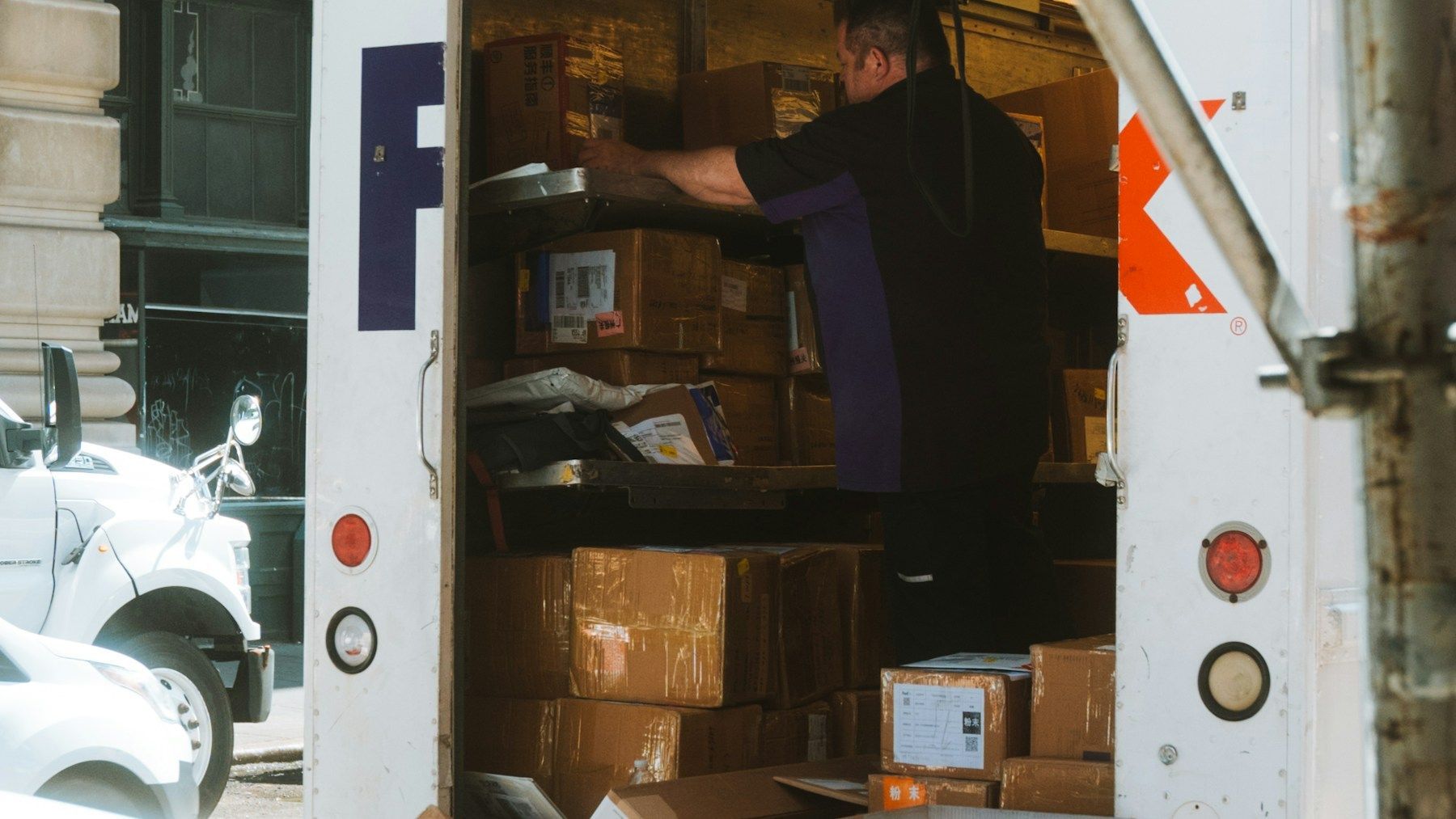
Courier loading cardboard parcels into a delivery vehicle for a same-day business service
By Limerick Pharma Logistics • August 24, 2026
Learn when same-day courier services are worth using and how planning, preparation and tracking support urgent business deliveries across Ireland.

Commercial delivery vehicle travelling an Irish route for scheduled business collections and deliveries
By Limerick Pharma Logistics • August 24, 2026
Learn how scheduled delivery routes improve planning, reduce administration and support reliable recurring logistics for Irish businesses.
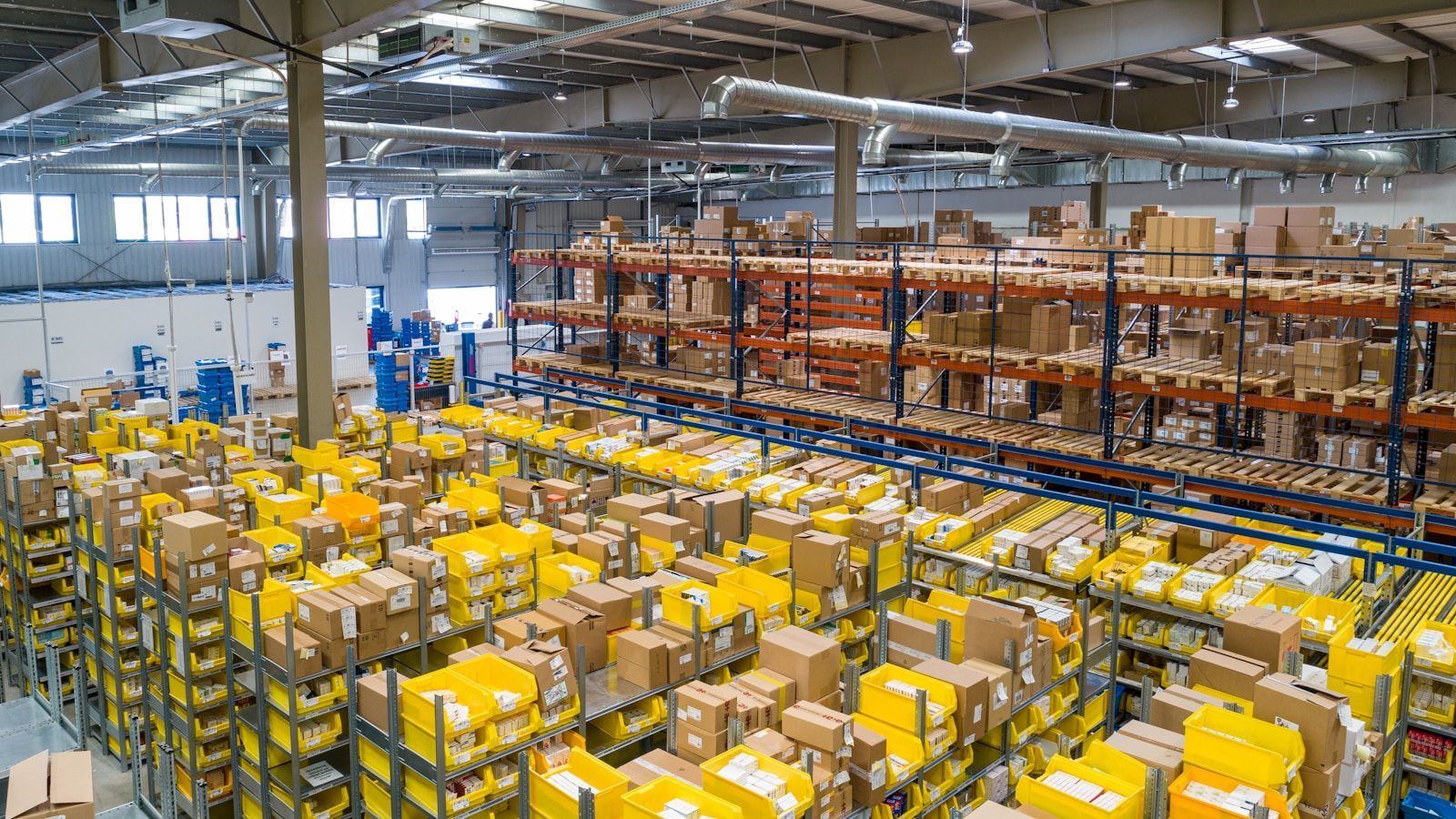
Business consignments in a logistics warehouse supported by real-time delivery tracking
By Limerick Pharma Logistics • August 23, 2026
Discover how real-time tracking improves delivery visibility, communication and planning for Irish businesses using courier and logistics services.

Pharmaceutical products prepared for temperature-controlled cold chain transport in Ireland
By Limerick Pharma Logistics • August 22, 2026
A practical guide to pharmaceutical cold chain logistics in Ireland, covering planning, packaging, monitoring, handovers and delivery records.
Show More