

Same-Day Courier Services: When Speed Really Matters

August 24, 2026

Share this article

Same-day courier services are designed for consignments that cannot wait for a standard delivery cycle. For Irish businesses, the important question is not simply whether a delivery feels urgent, but whether delay would interrupt work, disappoint a customer or create a larger operational problem. A successful urgent movement combines a fast response with accurate information, suitable handling, realistic route planning and clear confirmation at the destination.

When same-day delivery makes sense

Replacement parts needed by an engineer or production team are strong candidates when waiting until tomorrow would leave people and equipment idle. This should be confirmed before collection so that avoidable questions do not consume the limited time available for the journey.

Documents, samples or commercial items tied to a genuine deadline may justify direct movement when a later arrival would remove their usefulness. Clear information also allows the logistics provider to explain what is achievable instead of making a promise that does not reflect real operating conditions.

Hospitality supplies, event equipment and customer replacements can be time-critical, but the consequence of delay should still be weighed against the service cost. For the sender, recording the decision creates a repeatable process that colleagues can follow the next time a similar requirement appears.

Book the urgent movement accurately

Provide complete collection and delivery addresses, Eircodes where available, named contacts, telephone numbers, opening hours and any security or parking instructions. This should be confirmed before collection so that avoidable questions do not consume the limited time available for the journey.

Describe every item honestly, including quantity, dimensions, total weight, packaging type and whether anything is fragile, awkward, valuable or sensitive to its environment. Clear information also allows the logistics provider to explain what is achievable instead of making a promise that does not reflect real operating conditions.

State a real ready time and required delivery deadline rather than writing only urgent, because the provider must assess distance, loading, traffic and access. For the sender, recording the decision creates a repeatable process that colleagues can follow the next time a similar requirement appears.

Prepare the consignment properly

Urgency should never replace sound packaging; use a strong outer container, suitable internal protection, secure sealing and a clear label that will remain readable. This should be confirmed before collection so that avoidable questions do not consume the limited time available for the journey.

When several pieces belong together, mark them consistently and record the total count so collection and delivery contacts can check the complete consignment. Clear information also allows the logistics provider to explain what is achievable instead of making a promise that does not reflect real operating conditions.

Large or awkward goods may require a pallet, trolley, tail lift, loading bay or extra handling, and these requirements must be discussed before a vehicle is allocated. For the sender, recording the decision creates a repeatable process that colleagues can follow the next time a similar requirement appears.

Understand the route and communication

A dedicated vehicle can reduce handling by travelling from collection to destination, but road conditions, loading time and restricted access still affect the realistic arrival. This should be confirmed before collection so that avoidable questions do not consume the limited time available for the journey.

Nominate one business contact who can answer questions during the journey and ensure the recipient knows the consignment is coming and where handover should occur. Clear information also allows the logistics provider to explain what is achievable instead of making a promise that does not reflect real operating conditions.

Tracking updates and proof of delivery create useful visibility, particularly when several teams depend on the item and need confirmation before continuing their work. For the sender, recording the decision creates a repeatable process that colleagues can follow the next time a similar requirement appears.

Avoid preventable delays

Keep the item accessible and the paperwork complete before the driver arrives, as searching for goods or waiting for authorisation uses time reserved for the journey. This should be confirmed before collection so that avoidable questions do not consume the limited time available for the journey.

Check recipient opening hours and contact details directly; an exceptionally fast journey still fails if nobody is available or the address lacks an important unit number. Clear information also allows the logistics provider to explain what is achievable instead of making a promise that does not reflect real operating conditions.

Do not add loose items or change the consignment after booking without telling the provider, because vehicle space and handling arrangements may need to be reassessed. For the sender, recording the decision creates a repeatable process that colleagues can follow the next time a similar requirement appears.

Use urgent delivery as part of a wider plan

Frequent emergency bookings may reveal late ordering, missed cut-offs, insufficient regional stock or unreliable internal transfers that could be improved with better planning. This should be confirmed before collection so that avoidable questions do not consume the limited time available for the journey.

Routine parcels and pallets can often move through scheduled services while same-day support remains available for genuine exceptions that carry a meaningful consequence. Clear information also allows the logistics provider to explain what is achievable instead of making a promise that does not reflect real operating conditions.

Review urgent movements periodically to identify repeat locations, products and causes; a recurring collection or multi-drop route may reduce both pressure and overall cost. For the sender, recording the decision creates a repeatable process that colleagues can follow the next time a similar requirement appears.

Same-day booking checklist

  • Full addresses and working site contacts
  • Accurate item count, dimensions and weight
  • Confirmed ready time and delivery deadline
  • Packaging and special-handling requirements
  • Parking, loading and recipient access information

Same-day courier support across Ireland

Limerick Pharma Logistics provides commercial collection and delivery services throughout Ireland, including time-critical movements where prompt response and dependable communication matter. We can assess the item, route, timing and site requirements before confirming an appropriate approach.

Contact LPL with the complete collection and delivery brief. The clearer the information at the start, the easier it is to select a suitable vehicle, prepare both sites and provide a realistic plan from handover to confirmed delivery.

Recent Posts

Busy restaurant service supported by dependable hospitality supplies and deliveries
By Limerick Pharma Logistics • August 24, 2026
See how reliable deliveries help hotels, restaurants and cafés protect service, manage stock and reduce disruption throughout Ireland.

Professional café interior with commercial equipment and service counter
By Limerick Pharma Logistics • August 24, 2026
Learn how planned hospitality logistics supports reliable deliveries of supplies and equipment to hotels, restaurants and cafés across Ireland.
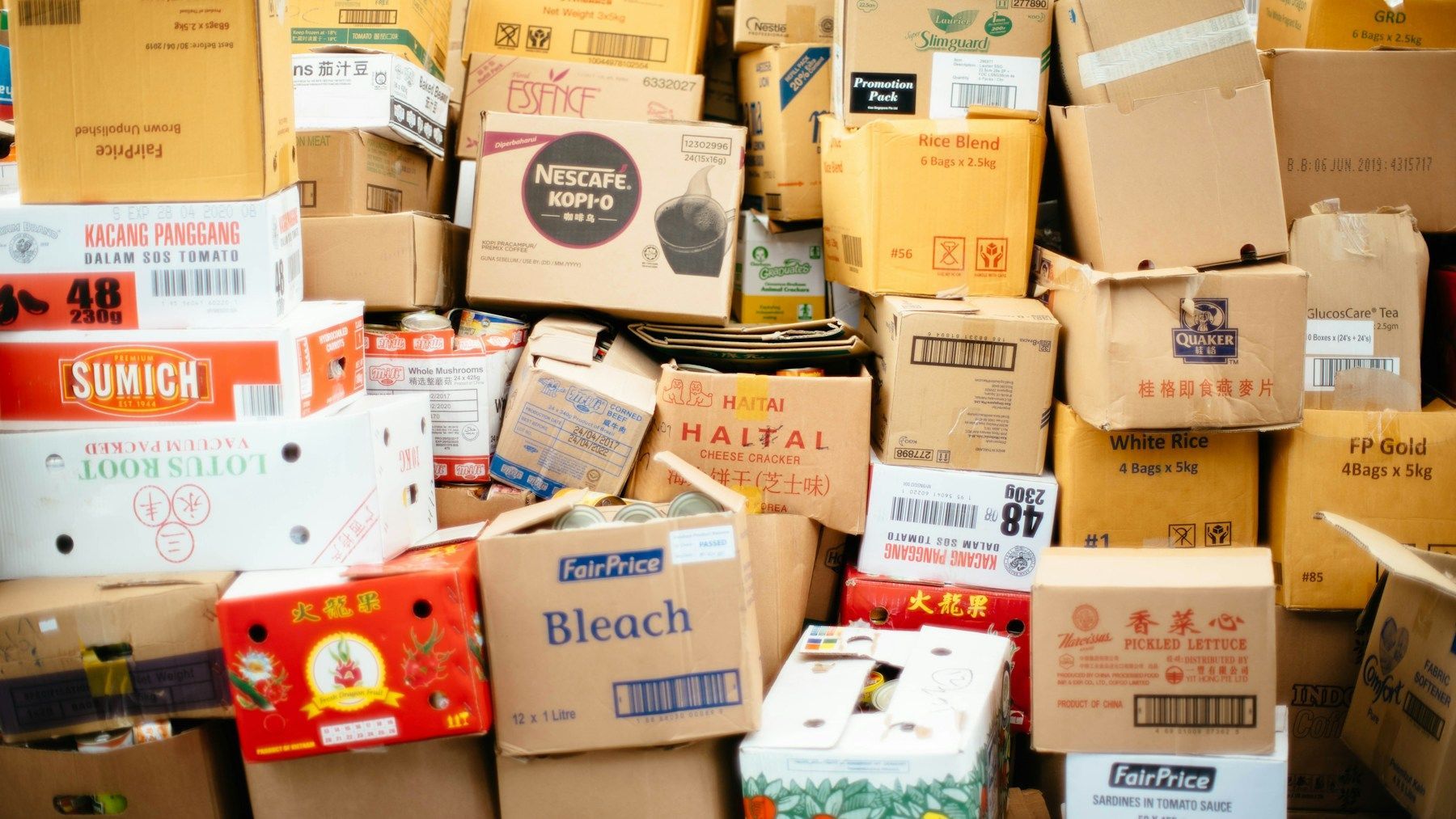
Assorted cardboard parcels prepared for commercial delivery
By Limerick Pharma Logistics • August 24, 2026
Compare parcel and pallet delivery services by size, weight, handling, access and cost to choose the right option for business consignments.
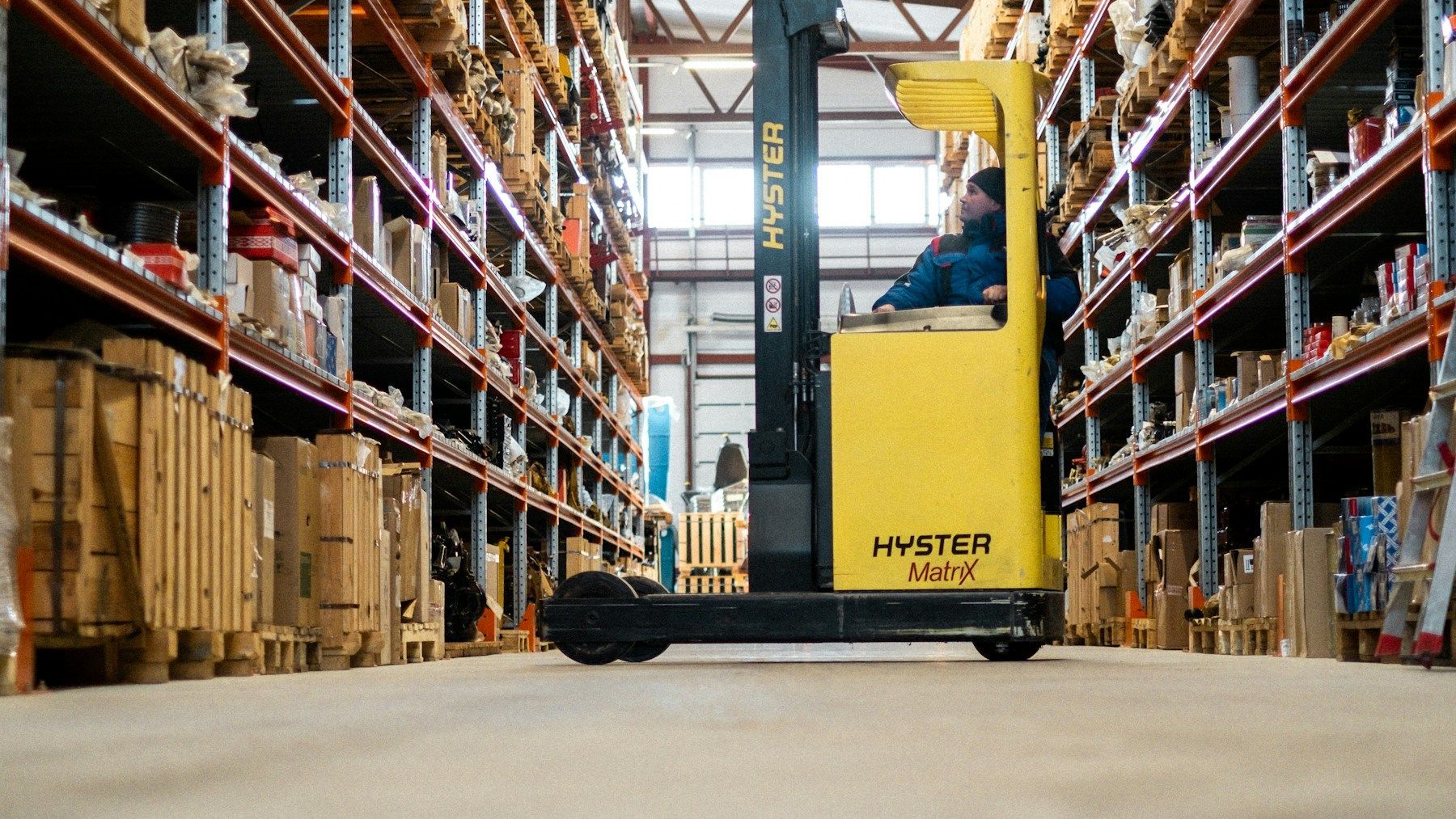
Warehouse forklift and organised palletised goods prepared for commercial transport
By Limerick Pharma Logistics • August 24, 2026
Learn how to choose, stack, secure and label a pallet correctly for safer nationwide business transport throughout Ireland.
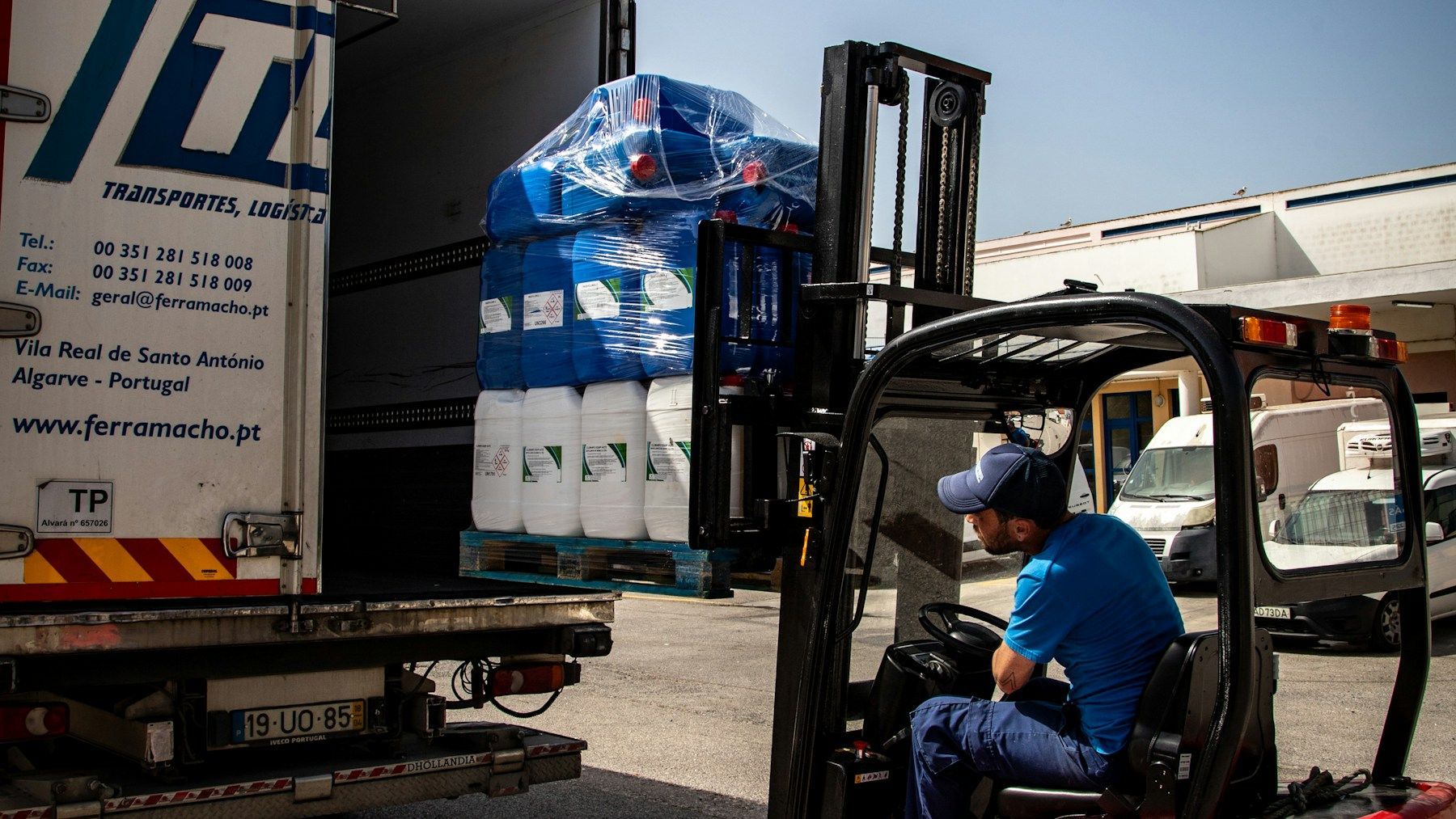
Forklift loading securely palletised commercial goods into a delivery truck
By Limerick Pharma Logistics • August 24, 2026
A practical guide to pallet delivery in Ireland, including preparation, access, booking details, handling and proof of delivery for businesses.

Logistics professional using a tablet while planning warehouse operations and delivery routes
By Limerick Pharma Logistics • August 24, 2026
Discover how planned multi-drop delivery routes can reduce duplicated journeys, administration and logistics costs for Irish businesses.

Small eCommerce business owner preparing a parcel for customer delivery
By Limerick Pharma Logistics • August 24, 2026
Practical parcel delivery guidance for Irish eCommerce businesses, covering collections, packaging, tracking, busy periods and returns.

Commercial delivery vehicle travelling an Irish route for scheduled business collections and deliveries
By Limerick Pharma Logistics • August 24, 2026
Learn how scheduled delivery routes improve planning, reduce administration and support reliable recurring logistics for Irish businesses.
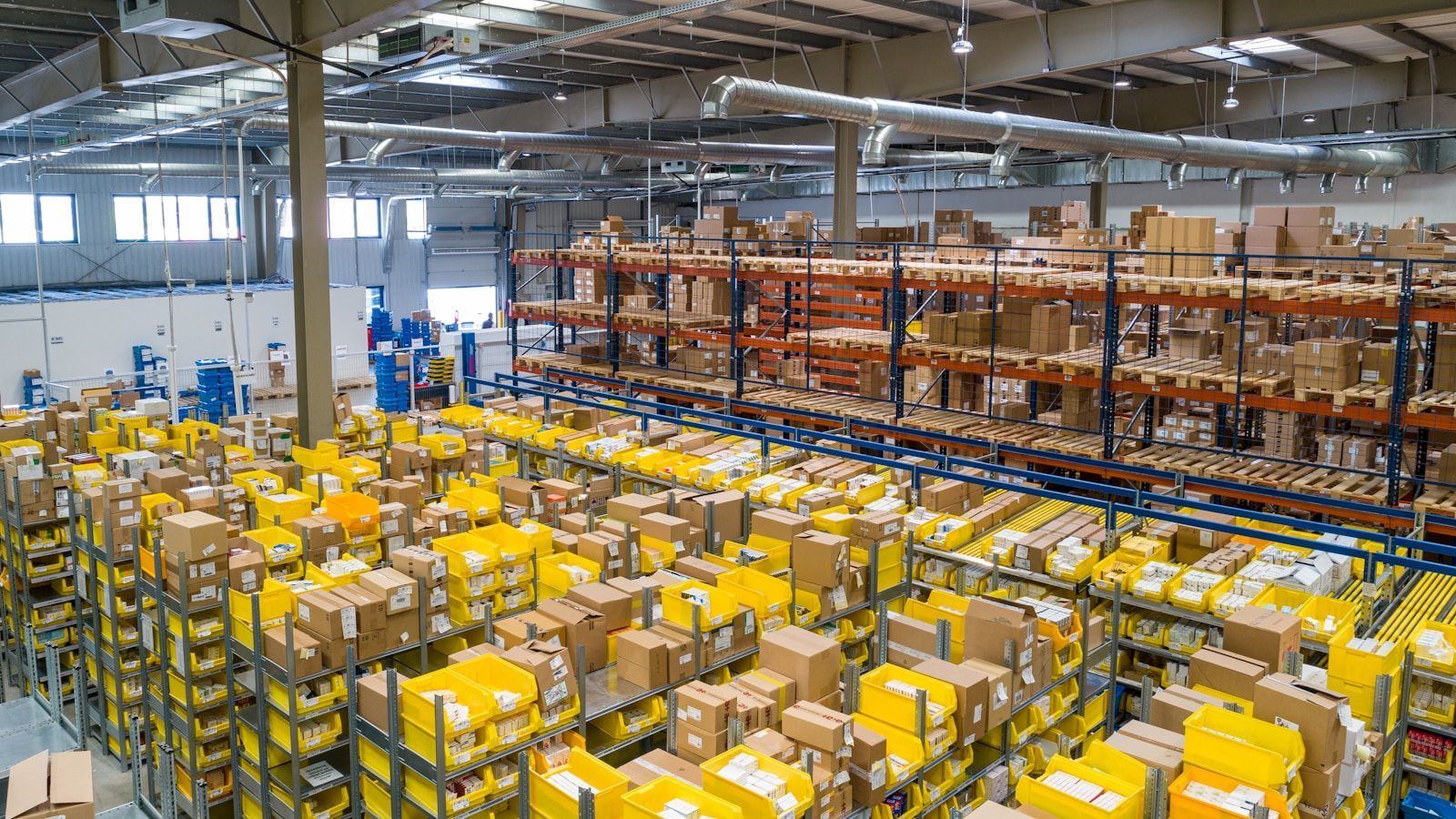
Business consignments in a logistics warehouse supported by real-time delivery tracking
By Limerick Pharma Logistics • August 23, 2026
Discover how real-time tracking improves delivery visibility, communication and planning for Irish businesses using courier and logistics services.

Pharmaceutical products prepared for temperature-controlled cold chain transport in Ireland
By Limerick Pharma Logistics • August 22, 2026
A practical guide to pharmaceutical cold chain logistics in Ireland, covering planning, packaging, monitoring, handovers and delivery records.
Show More