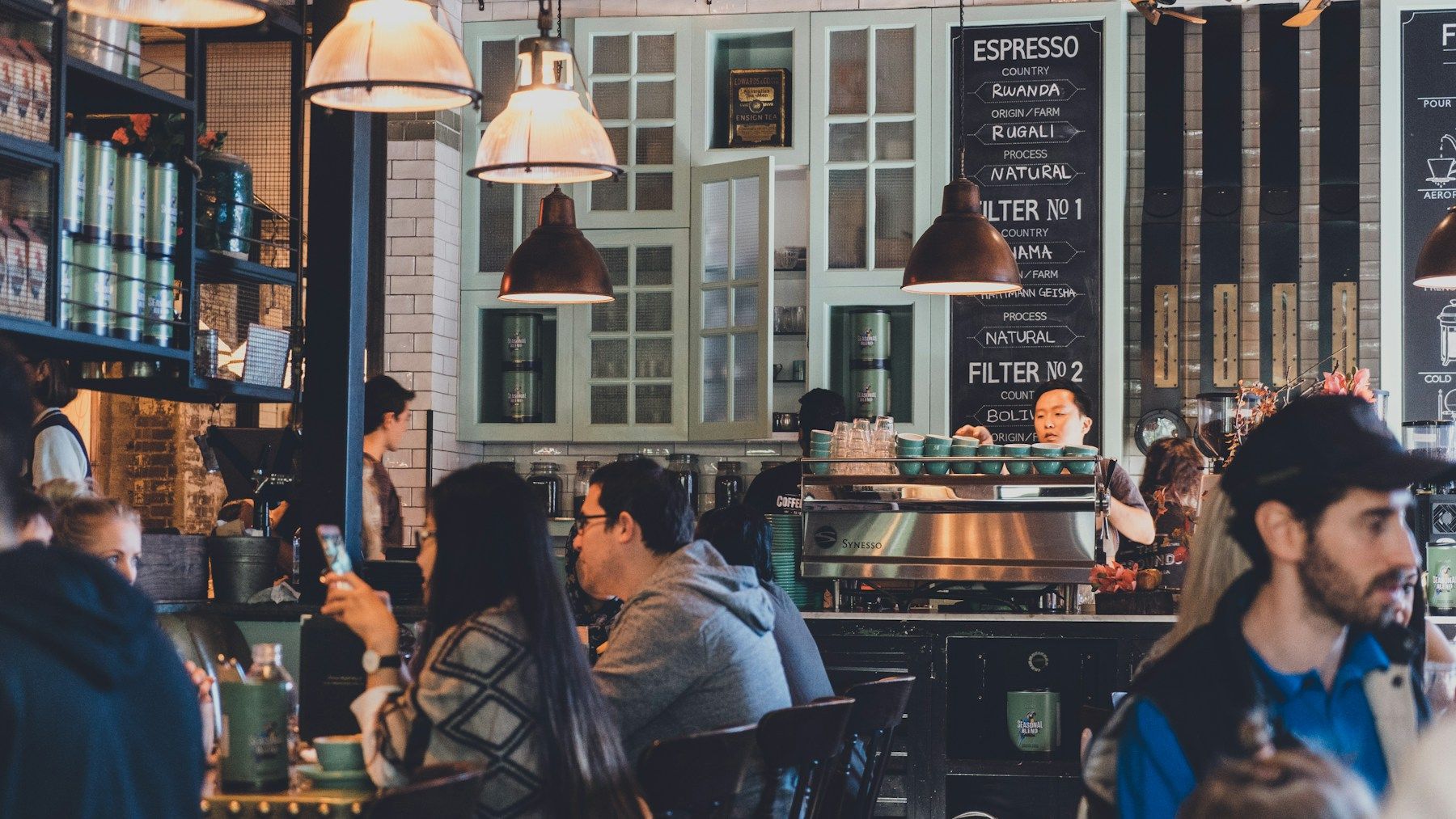
Hospitality Logistics for Hotels, Restaurants and Cafés
Hotels, restaurants and cafés depend on deliveries that fit around live service, staff and limited storage space. Hospitality logistics may involve recurring supplies, equipment, urgent replacements, bar items or goods moving between venues. Careful planning reduces disruption while giving suppliers, drivers and receiving teams a clear handover process.
Fit deliveries around hospitality operations
Hotels, restaurants and cafés have different service patterns, storage limits and staffing pressures, so one delivery method will not suit every venue. This should be agreed before collection so the supplier, driver and venue team can prepare the correct access, staff and storage area for a smooth handover.
A delivery during breakfast, lunch, check-in or an event can obstruct staff and create waiting, making an agreed service window important. Documenting the arrangement creates a repeatable process, reduces disruption during service and helps managers review delivery performance across one or several locations.
The named venue contact should know what is arriving, where the driver should report and whether goods belong in a kitchen, bar, store or function room. Reliable hospitality logistics considers the complete movement, including preparation, timing, parking, internal access, communication and confirmation at the final destination.
Plan access before dispatch
Service entrances, loading bays, lifts, stairs, pedestrian areas and city-centre parking should be checked before a route and vehicle are confirmed. This should be agreed before collection so the supplier, driver and venue team can prepare the correct access, staff and storage area for a smooth handover.
Large equipment may fit through an outside door but not an internal corridor or lift, so dimensions must be considered along the entire intended path. Documenting the arrangement creates a repeatable process, reduces disruption during service and helps managers review delivery performance across one or several locations.
Security desks and goods-in procedures add time, and sharing booking references, vehicle instructions and contact details supports an efficient handover. Reliable hospitality logistics considers the complete movement, including preparation, timing, parking, internal access, communication and confirmation at the final destination.
Prepare supplies and equipment carefully
Cartons should be strong, sealed and labelled by venue or department, while multi-piece orders need a clear count to prevent partial delivery. This should be agreed before collection so the supplier, driver and venue team can prepare the correct access, staff and storage area for a smooth handover.
Bar equipment, appliances and delicate hospitality items may require upright transport, secured components, surface protection or palletised handling. Documenting the arrangement creates a repeatable process, reduces disruption during service and helps managers review delivery performance across one or several locations.
The courier should be told about fragile, heavy or awkward goods because a generic external label cannot communicate every handling requirement. Reliable hospitality logistics considers the complete movement, including preparation, timing, parking, internal access, communication and confirmation at the final destination.
Coordinate suppliers and receiving teams
Suppliers need accurate venue details and ready times, while receiving teams need the item count, expected window and storage destination. This should be agreed before collection so the supplier, driver and venue team can prepare the correct access, staff and storage area for a smooth handover.
One coordinator should resolve conflicting instructions when a refurbishment, event or opening involves several suppliers and delivery vehicles. Documenting the arrangement creates a repeatable process, reduces disruption during service and helps managers review delivery performance across one or several locations.
Proof of delivery and business references help the venue match each handover to a purchase order, department or project without relying on memory. Reliable hospitality logistics considers the complete movement, including preparation, timing, parking, internal access, communication and confirmation at the final destination.
Choose scheduled and urgent services
Regular replenishment may suit a scheduled or multi-drop route serving several venues or branches on known days with predictable administration. This should be agreed before collection so the supplier, driver and venue team can prepare the correct access, staff and storage area for a smooth handover.
A same-day courier can support a genuine operational emergency, but repeated urgent bookings may reveal stock planning or supplier cut-off issues. Documenting the arrangement creates a repeatable process, reduces disruption during service and helps managers review delivery performance across one or several locations.
Routine parcels, pallets and equipment should use the most suitable service rather than treating every hospitality movement as an emergency. Reliable hospitality logistics considers the complete movement, including preparation, timing, parking, internal access, communication and confirmation at the final destination.
Review changing requirements
Seasonal openings, busy weekends, refurbishments and events can create temporary peaks, so dates and expected volumes should be discussed early. This should be agreed before collection so the supplier, driver and venue team can prepare the correct access, staff and storage area for a smooth handover.
Review waiting time, failed attempts, access changes and recurring urgent movements to identify where the hospitality logistics plan can improve. Documenting the arrangement creates a repeatable process, reduces disruption during service and helps managers review delivery performance across one or several locations.
When a café, restaurant or hotel changes layout or opening hours, suppliers and delivery partners should receive updated instructions before the next movement. Reliable hospitality logistics considers the complete movement, including preparation, timing, parking, internal access, communication and confirmation at the final destination.
Information to review before confirming the booking
The venue should review more than the delivery address. Confirm the trading name, exact service entrance, Eircode, parking instructions, internal destination, receiving contact and permitted time window. For equipment, record the packed dimensions and weight, not only the product specification, and check doorways, corridors and lifts along the intended route.
If several suppliers are involved, create a simple delivery plan showing what is arriving, the expected sequence and the person authorised to resolve changes. This prevents vehicles competing for limited space and helps staff move goods away from service areas promptly. After delivery, retain proof of handover and note any delay or access problem that should inform the next booking.
Hospitality delivery checklist
- Named venue contact and service entrance
- Permitted delivery window
- Item count, size and weight
- Lift, stairs, trolley and storage access
- Event dates and genuinely urgent priorities
Arrange hospitality deliveries with LPL
Limerick Pharma Logistics supports commercial and hospitality deliveries throughout Ireland, including scheduled routes, parcels, pallets and equipment movements. We can discuss venue access, timing and handling before recommending a suitable approach.
Contact LPL with the supplier, venue and consignment information. A clear plan helps goods arrive with less disruption to customers, staff and the daily operation of the hospitality business.