
How Real-Time Tracking Improves Business Deliveries
Real-time tracking gives businesses better visibility over collections and deliveries while a consignment is moving. Instead of relying on a fixed estimate, a logistics team can follow vehicle progress, identify developing delays and communicate more accurately with the people expecting the goods.
Tracking does not replace careful route planning, professional handling or clear delivery instructions. Its value comes from supporting those processes with timely location information. For pharmaceutical movements, parcel and pallet deliveries, hospitality logistics and scheduled commercial routes across Ireland, that visibility can make operations easier to coordinate.
What real-time delivery tracking shows
Real-time tracking generally uses location data from a vehicle or delivery device to show where a journey is and how it is progressing. The logistics provider may use that information internally, share selected updates with a customer or use it to produce a more informed estimated arrival time.
The exact experience depends on the service. Some deliveries may include a customer-facing link, while others are monitored by the carrier, with updates supplied when required. Businesses should clarify what information will be available, who can access it and how long delivery records are retained.
Tracking is not temperature monitoring
Location tracking and temperature monitoring answer different questions. Tracking shows where the vehicle or consignment is. Temperature monitoring provides information about the conditions surrounding sensitive goods. A pharmaceutical or cold chain delivery may use both, but one should not be treated as evidence of the other.
Better planning for collections and deliveries
Businesses often organise staff, loading bays, storage space and customer appointments around an expected arrival. When delivery progress is visible, teams can prepare with greater confidence. A warehouse can make space for a pallet, a hotel can arrange access for bar equipment, or a retailer can ensure that staff are ready to receive white goods.
Tracking also helps a logistics coordinator compare the live journey with the planned route. If traffic, waiting time or access restrictions affect progress, the team can review the remaining stops and communicate where necessary. The goal is not to promise a perfect arrival time; it is to make decisions using current information rather than assumptions.
- Prepare receiving staff and loading areas before arrival.
- Coordinate collections with production, packing or dispatch teams.
- Give customers a more useful update when a route changes.
- Reduce unnecessary calls between drivers, dispatchers and receivers.
- Support records of the journey alongside proof of delivery.
Clearer communication when plans change
Delays can happen even on a carefully planned route. Congestion, difficult site access, loading queues and an unavailable receiver can all affect the schedule. Real-time visibility helps the logistics team notice a developing issue and assess its likely effect on later collections or drops.
A useful update should explain what is known, what has changed and what the revised expectation is. This is more valuable than repeatedly giving the original estimate after it is no longer realistic. Early communication allows the receiving business to reorganise staff or advise its own customer.
Supporting customer service teams
When a customer asks where an order is, a service team needs a reliable answer. Access to current delivery information can reduce the time spent contacting different people for an update. It also helps the business avoid vague replies that create uncertainty or unnecessary follow-up calls.
Tracking should still be interpreted by someone who understands the route. A map position alone may not explain a planned stop, a required break or time spent completing a careful handover. Context turns location data into useful communication.
How tracking supports different delivery services
Pharmaceutical and cold chain transport
For pharmaceutical delivery, real-time location information can help authorised teams prepare for collection and prompt receipt. It can show whether a vehicle is approaching a pharmacy, clinic, laboratory or distribution location. However, product requirements, packaging, temperature information and handover procedures remain separate parts of the cold chain plan.
Parcels, pallets and commercial courier work
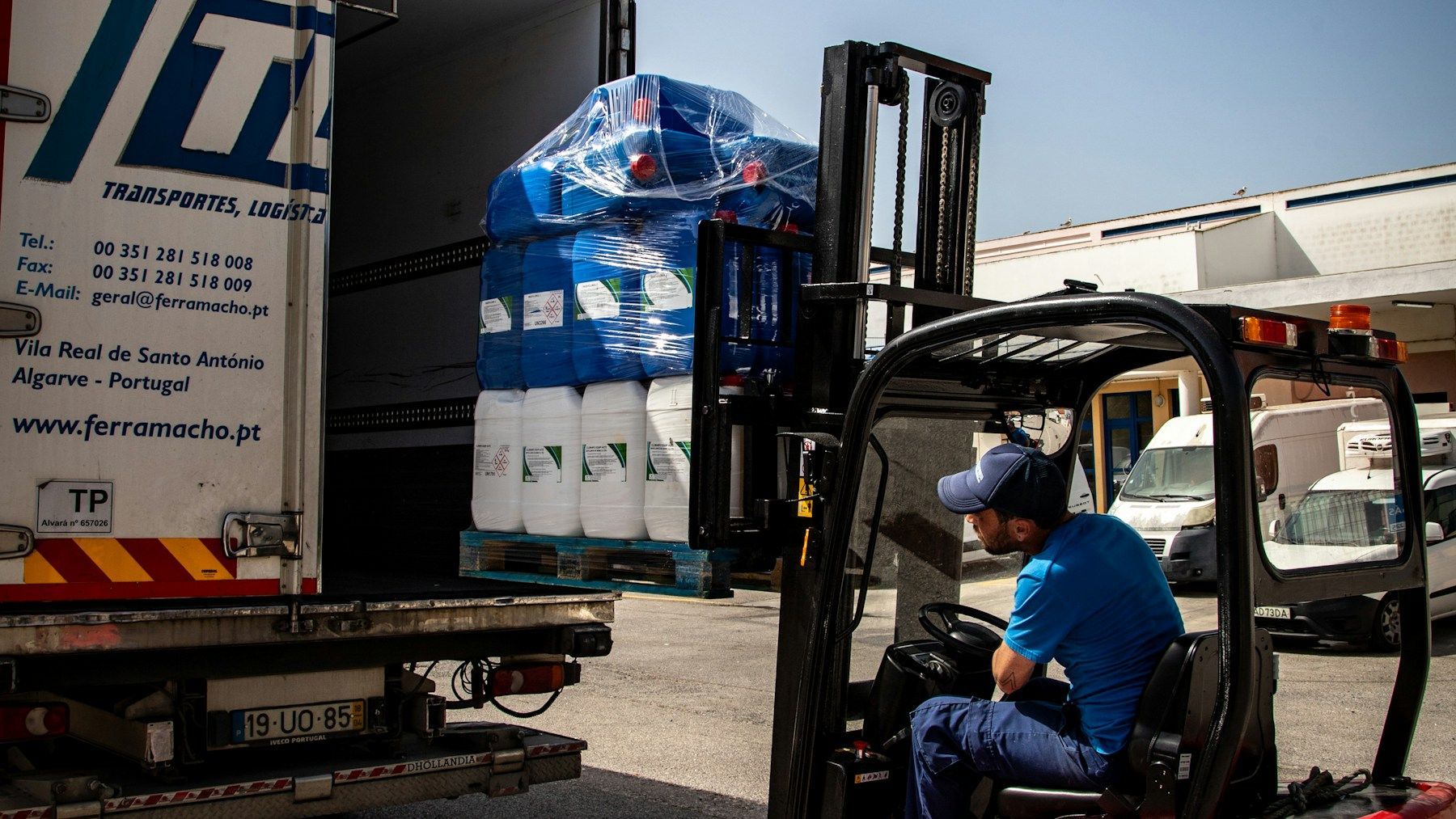
Parcel courier services may involve urgent documents, parts or business supplies, while pallet delivery requires appropriate unloading access and space. Tracking helps the sender and receiver coordinate these practical details. For time-critical commercial work, it also gives dispatch teams a current view of progress between collection and delivery.
Hospitality equipment and appliances
Deliveries of catering supplies, bar equipment, appliances and white goods often require more preparation than an ordinary parcel. The receiving site may need clear access, suitable staff or space for safe placement. A progress update gives a hotel, restaurant, café, retailer or service contractor time to make those arrangements.
Improving scheduled and multi-drop routes
Regular routes benefit from consistency, but each day can bring different volumes, traffic and waiting times. Real-time tracking gives the logistics provider visibility across the route and helps identify recurring problems. If one collection repeatedly causes a long wait, the customer and carrier can consider a different window or a better handover process.
Over time, journey information can support practical reviews. Businesses may see that a receiving point needs updated contact details, that a weekly pallet collection requires a longer loading slot or that a scheduled parcel route works better on a different day. Tracking is most useful when it leads to informed operational improvements.
What businesses should ask their delivery provider
Before booking, ask how delivery visibility works for the selected service. Find out whether updates are proactive or supplied on request, whether an estimated arrival can be shared and what happens if access or timing changes. For sensitive consignments, confirm separately what monitoring and handover records are available.
Businesses should also provide accurate information. The carrier needs the correct addresses, contact numbers, opening hours, loading instructions and delivery deadline. Tracking cannot solve a missing unit number or an unavailable receiver, but it can help the team recognise and communicate the resulting issue quickly.
Real-time visibility with Limerick Pharma Logistics
Limerick Pharma Logistics provides business transport from Limerick to destinations across Ireland. Services include pharmaceutical and cold chain delivery, parcel courier services, pallet transport, scheduled logistics and commercial courier work, along with hospitality logistics, bar equipment delivery and careful transport for appliances and white goods.
The right level of tracking and communication depends on the goods, route and service. By discussing the delivery before collection, businesses can agree what updates are useful and ensure that location visibility supports the wider plan.
Need clearer oversight of an important delivery? “Request a tracked business delivery quote” from Limerick Pharma Logistics and share the collection, destination, timing and handling details.