

How to Prepare a Pallet for Safe Nationwide Transport

August 24, 2026

Share this article

Correct pallet preparation protects goods during lifting, loading, road transport and delivery. A well-built unit is easier to handle, uses vehicle space sensibly and is less likely to shift or suffer damage. Businesses should assess the pallet, individual packaging, load pattern, securing method and delivery information before the courier arrives.

Start with a sound pallet

Choose a base suited to the finished size and total weight of the consignment rather than using the first spare pallet available. This should be confirmed before collection so the sender, driver and recipient can prepare suitable equipment, understand their responsibilities and avoid preventable delay at either location.

Inspect boards, blocks and fixings for cracks, loose components, protruding nails, moisture or weakness that could fail when lifting equipment is inserted. A written dispatch routine makes the process easier to repeat, reduces last-minute questions and helps staff identify where preparation, communication or packaging needs improvement next time.

Goods should fit within the footprint wherever possible because an undersized base creates vulnerable overhang while an oversized base wastes vehicle capacity. Safe transport depends on the complete movement, including packaging, lifting, vehicle loading, route conditions, site access and confirmation at the final destination.

Prepare every carton or item

Pallet wrap cannot compensate for weak individual packaging, so use cartons that suit their contents and seal every package securely. This should be confirmed before collection so the sender, driver and recipient can prepare suitable equipment, understand their responsibilities and avoid preventable delay at either location.

Cushion fragile components, protect sharp edges and remove obsolete labels or barcodes that could create confusion during handling and delivery. A written dispatch routine makes the process easier to repeat, reduces last-minute questions and helps staff identify where preparation, communication or packaging needs improvement next time.

Check that items cannot move freely inside their cartons, because internal movement can damage products and gradually destabilise the outer stack. Safe transport depends on the complete movement, including packaging, lifting, vehicle loading, route conditions, site access and confirmation at the final destination.

Build a balanced and stable stack

Place heavier and stronger cartons at the bottom, distribute weight across the base and keep the centre of gravity reasonably low. This should be confirmed before collection so the sender, driver and recipient can prepare suitable equipment, understand their responsibilities and avoid preventable delay at either location.

Avoid unsupported gaps, leaning columns and unnecessary height; where products cannot be stacked safely, use suitable dividers, a crate or another agreed method. A written dispatch routine makes the process easier to repeat, reduces last-minute questions and helps staff identify where preparation, communication or packaging needs improvement next time.

Keep boxes inside the pallet edges and avoid placing a small carton where it carries the weight of a much larger or heavier package above. Safe transport depends on the complete movement, including packaging, lifting, vehicle loading, route conditions, site access and confirmation at the final destination.

Secure the load to the base

Stretch wrap should connect the goods to the pallet rather than merely circling the cartons, with overlapping layers applied from the lower section upwards. This should be confirmed before collection so the sender, driver and recipient can prepare suitable equipment, understand their responsibilities and avoid preventable delay at either location.

Reinforce areas that could shift and consider corner boards, top sheets or strapping where appropriate for the product and packaging. A written dispatch routine makes the process easier to repeat, reduces last-minute questions and helps staff identify where preparation, communication or packaging needs improvement next time.

Straps must not crush cartons, while sharp corners should be protected so they do not cut the securing material during transport. Safe transport depends on the complete movement, including packaging, lifting, vehicle loading, route conditions, site access and confirmation at the final destination.

Label and document clearly

Place the final address label on a visible vertical face where another pallet will not hide it, including an Eircode and contact where available. This should be confirmed before collection so the sender, driver and recipient can prepare suitable equipment, understand their responsibilities and avoid preventable delay at either location.

Explain upright, fragile, dry, valuable or other handling needs during booking instead of relying only on printed arrows or a small external notice. A written dispatch routine makes the process easier to repeat, reduces last-minute questions and helps staff identify where preparation, communication or packaging needs improvement next time.

Measure and weigh the completed wrapped unit and record its contents, pallet count and business reference before releasing it to the driver. Safe transport depends on the complete movement, including packaging, lifting, vehicle loading, route conditions, site access and confirmation at the final destination.

Prepare both sites for handover

Confirm forklifts, pallet trucks, tail-lift needs, loading bays and level access at the collection and delivery locations before selecting a service. This should be confirmed before collection so the sender, driver and recipient can prepare suitable equipment, understand their responsibilities and avoid preventable delay at either location.

Steps, gravel, steep gradients, narrow doors and security procedures can prevent equipment reaching the point expected by the sender or recipient. A written dispatch routine makes the process easier to repeat, reduces last-minute questions and helps staff identify where preparation, communication or packaging needs improvement next time.

Keep the pallet dry and accessible while awaiting collection, then complete a final visual check of the base, stack, wrap, labels and paperwork. Safe transport depends on the complete movement, including packaging, lifting, vehicle loading, route conditions, site access and confirmation at the final destination.

Final pallet preparation checklist

  • Undamaged base of the correct size
  • Protected contents and sealed cartons
  • Balanced stack without overhang
  • Wrap or strapping secured correctly
  • Accurate labels, measurements and access notes

Arrange nationwide pallet transport with LPL

Limerick Pharma Logistics supports pallet collections and deliveries for commercial customers throughout Ireland. Share the completed dimensions, weight, contents, route and equipment requirements so the movement can be assessed before collection.

Contact LPL if you need guidance on the information required for a pallet booking. Careful preparation helps reduce handling problems and gives both sites a clearer, safer and more efficient handover process.

Recent Posts

Busy restaurant service supported by dependable hospitality supplies and deliveries
By Limerick Pharma Logistics • August 24, 2026
See how reliable deliveries help hotels, restaurants and cafés protect service, manage stock and reduce disruption throughout Ireland.

Professional café interior with commercial equipment and service counter
By Limerick Pharma Logistics • August 24, 2026
Learn how planned hospitality logistics supports reliable deliveries of supplies and equipment to hotels, restaurants and cafés across Ireland.
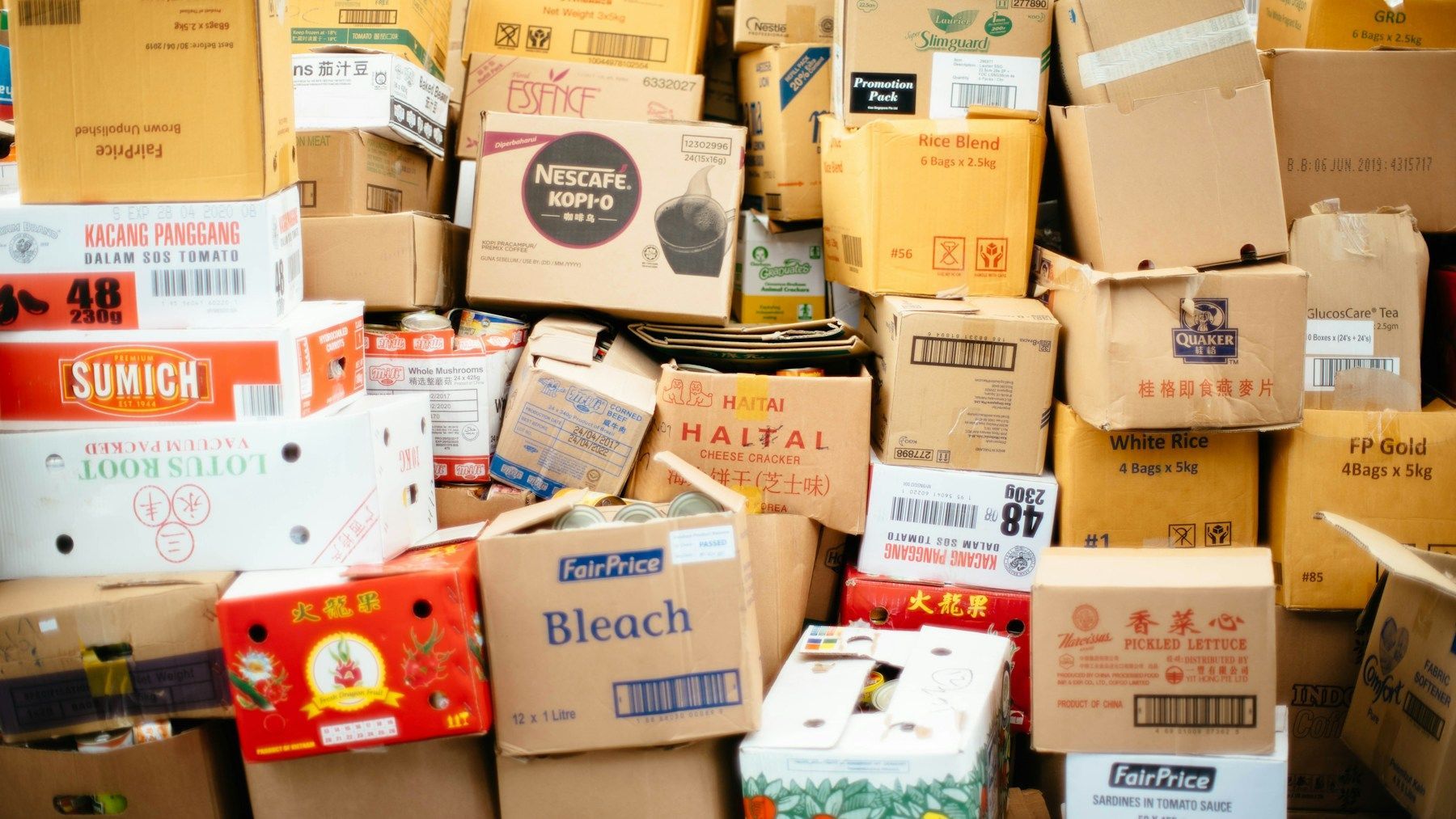
Assorted cardboard parcels prepared for commercial delivery
By Limerick Pharma Logistics • August 24, 2026
Compare parcel and pallet delivery services by size, weight, handling, access and cost to choose the right option for business consignments.
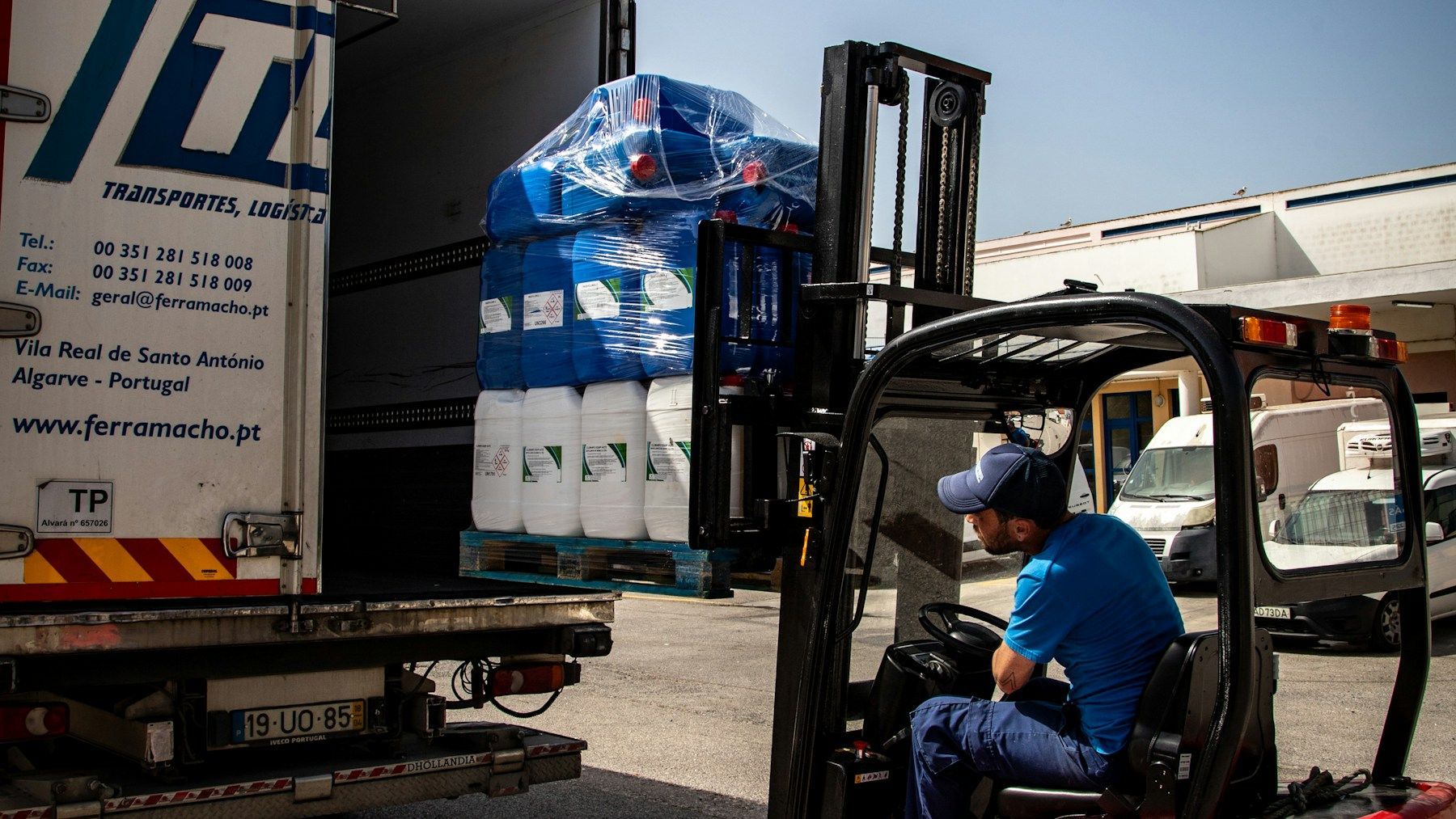
Forklift loading securely palletised commercial goods into a delivery truck
By Limerick Pharma Logistics • August 24, 2026
A practical guide to pallet delivery in Ireland, including preparation, access, booking details, handling and proof of delivery for businesses.

Logistics professional using a tablet while planning warehouse operations and delivery routes
By Limerick Pharma Logistics • August 24, 2026
Discover how planned multi-drop delivery routes can reduce duplicated journeys, administration and logistics costs for Irish businesses.

Small eCommerce business owner preparing a parcel for customer delivery
By Limerick Pharma Logistics • August 24, 2026
Practical parcel delivery guidance for Irish eCommerce businesses, covering collections, packaging, tracking, busy periods and returns.
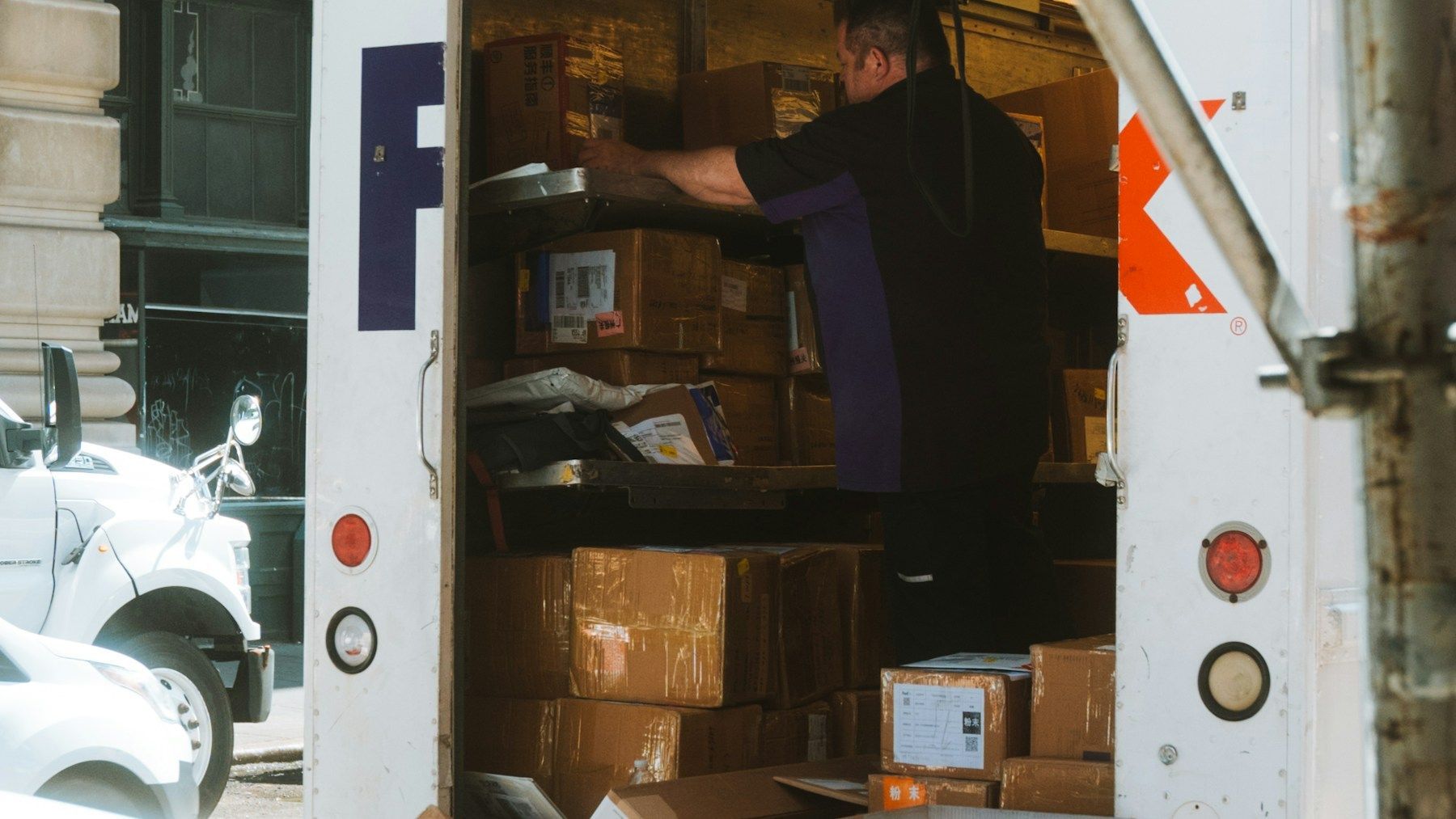
Courier loading cardboard parcels into a delivery vehicle for a same-day business service
By Limerick Pharma Logistics • August 24, 2026
Learn when same-day courier services are worth using and how planning, preparation and tracking support urgent business deliveries across Ireland.

Commercial delivery vehicle travelling an Irish route for scheduled business collections and deliveries
By Limerick Pharma Logistics • August 24, 2026
Learn how scheduled delivery routes improve planning, reduce administration and support reliable recurring logistics for Irish businesses.
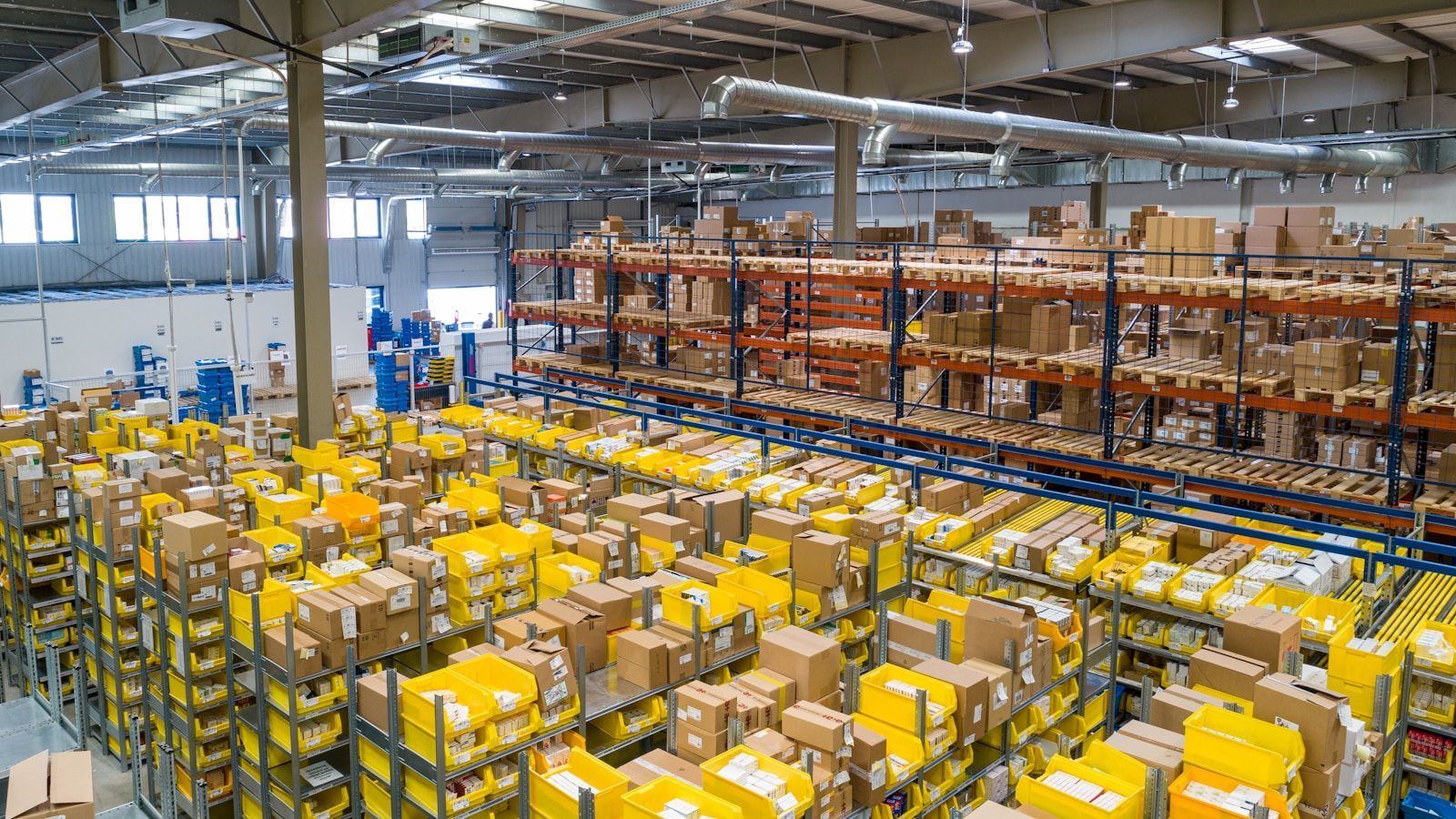
Business consignments in a logistics warehouse supported by real-time delivery tracking
By Limerick Pharma Logistics • August 23, 2026
Discover how real-time tracking improves delivery visibility, communication and planning for Irish businesses using courier and logistics services.

Pharmaceutical products prepared for temperature-controlled cold chain transport in Ireland
By Limerick Pharma Logistics • August 22, 2026
A practical guide to pharmaceutical cold chain logistics in Ireland, covering planning, packaging, monitoring, handovers and delivery records.
Show More