
Choosing Between Parcel and Pallet Delivery Services
Choosing between parcel and pallet delivery affects packaging, handling, vehicle space, site access and cost. A small number of cartons does not always need a pallet, while several loose parcels may be safer and easier to manage as one secured unit. The right choice depends on the finished consignment, required timing and facilities at both locations.
Start with size, weight and quantity
Small individually packaged goods normally suit parcel handling, while heavier items, multiple cartons or one bulky order may benefit from a pallet base. This should be clarified before booking so the sender, courier and recipient understand how the goods will be handled and what facilities are required.
Measure and weigh the finished packages rather than the unwrapped products because cushioning, cartons and outer protection change the transport requirement. Documenting the choice creates a repeatable process for staff, reduces last-minute changes and makes future parcel or pallet decisions easier to justify.
A few light boxes do not automatically need a pallet, but a high combined weight or awkward dimensions can make one handling unit more practical. The most practical option considers the entire movement, including packaging, lifting, vehicle space, site access, timing and proof of delivery.
Consider handling and protection
Parcels are commonly lifted and sorted individually, so every box must withstand handling without relying on neighbouring packages for support. This should be clarified before booking so the sender, courier and recipient understand how the goods will be handled and what facilities are required.
A pallet reduces loose-piece movement when it is stacked and wrapped correctly, although overhang, weak cartons or an unstable tower introduce different risks. Documenting the choice creates a repeatable process for staff, reduces last-minute changes and makes future parcel or pallet decisions easier to justify.
Fragile, high-value or unusually shaped goods should be discussed with the provider because neither a parcel label nor a pallet guarantees specialist handling. The most practical option considers the entire movement, including packaging, lifting, vehicle space, site access, timing and proof of delivery.
Think about keeping items together
Several parcels forming one customer order can become separated if labels, references and piece counts are unclear during collection and delivery. This should be clarified before booking so the sender, courier and recipient understand how the goods will be handled and what facilities are required.
Palletising can keep related cartons together and simplify counting, while separate parcels may remain easier when items are light and destinations differ. Documenting the choice creates a repeatable process for staff, reduces last-minute changes and makes future parcel or pallet decisions easier to justify.
If goods must arrive as a complete set, record the total quantity and decide which delivery format makes checking and controlled handover simpler. The most practical option considers the entire movement, including packaging, lifting, vehicle space, site access, timing and proof of delivery.
Check access and equipment
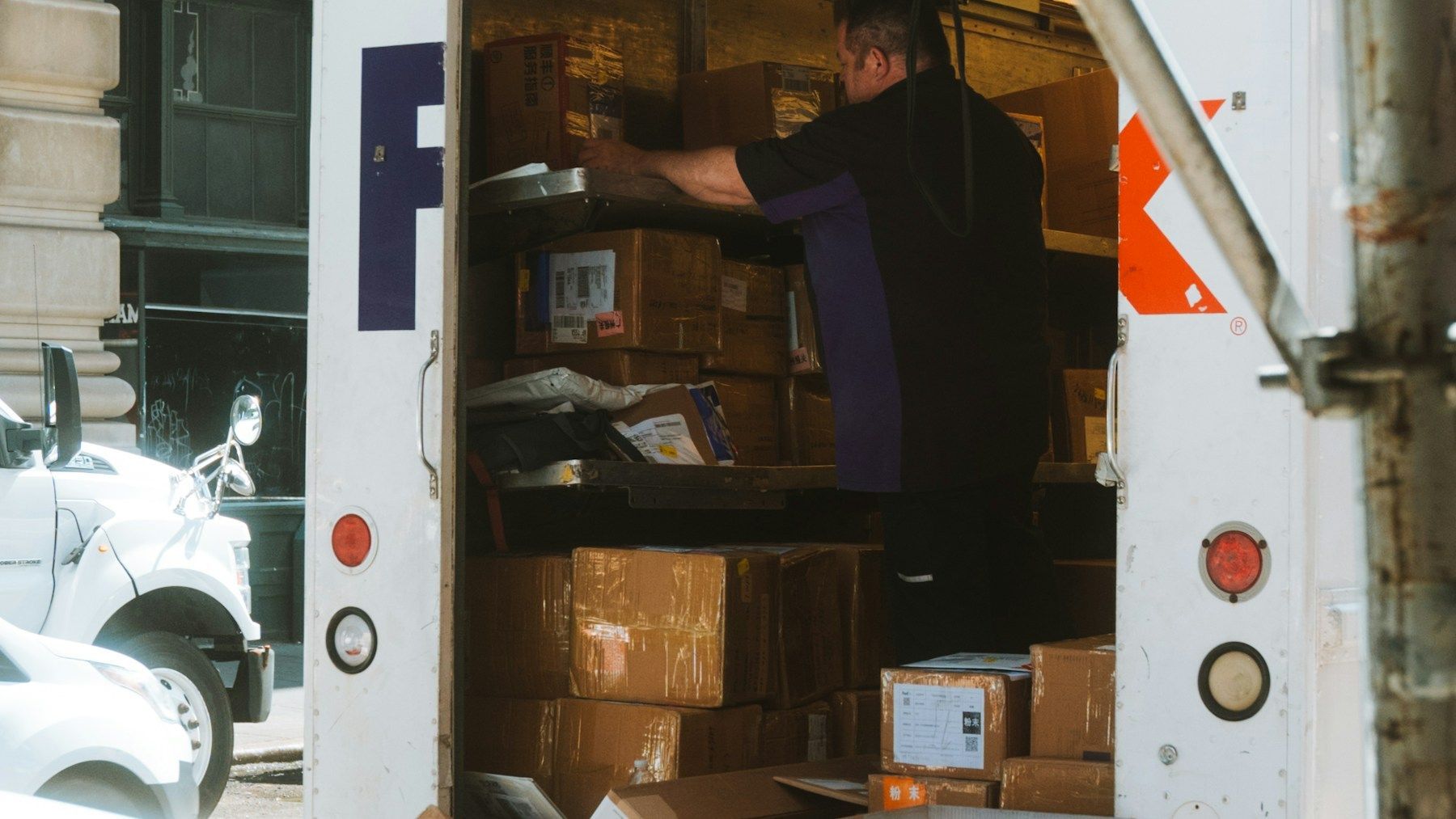
Parcel deliveries generally need less equipment and may suit premises without loading bays, provided the quantity can be handled safely and access remains clear. This should be clarified before booking so the sender, courier and recipient understand how the goods will be handled and what facilities are required.
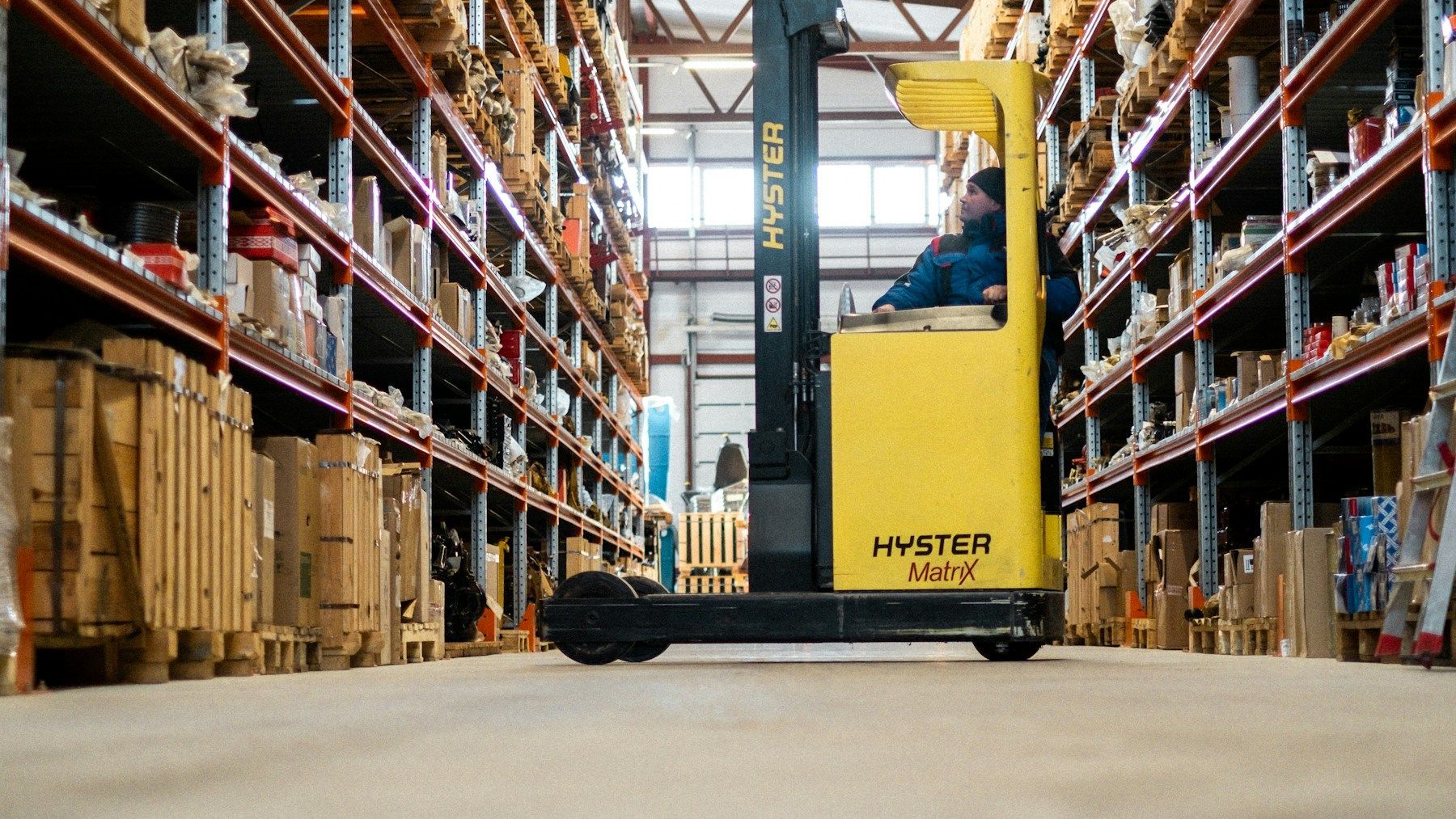
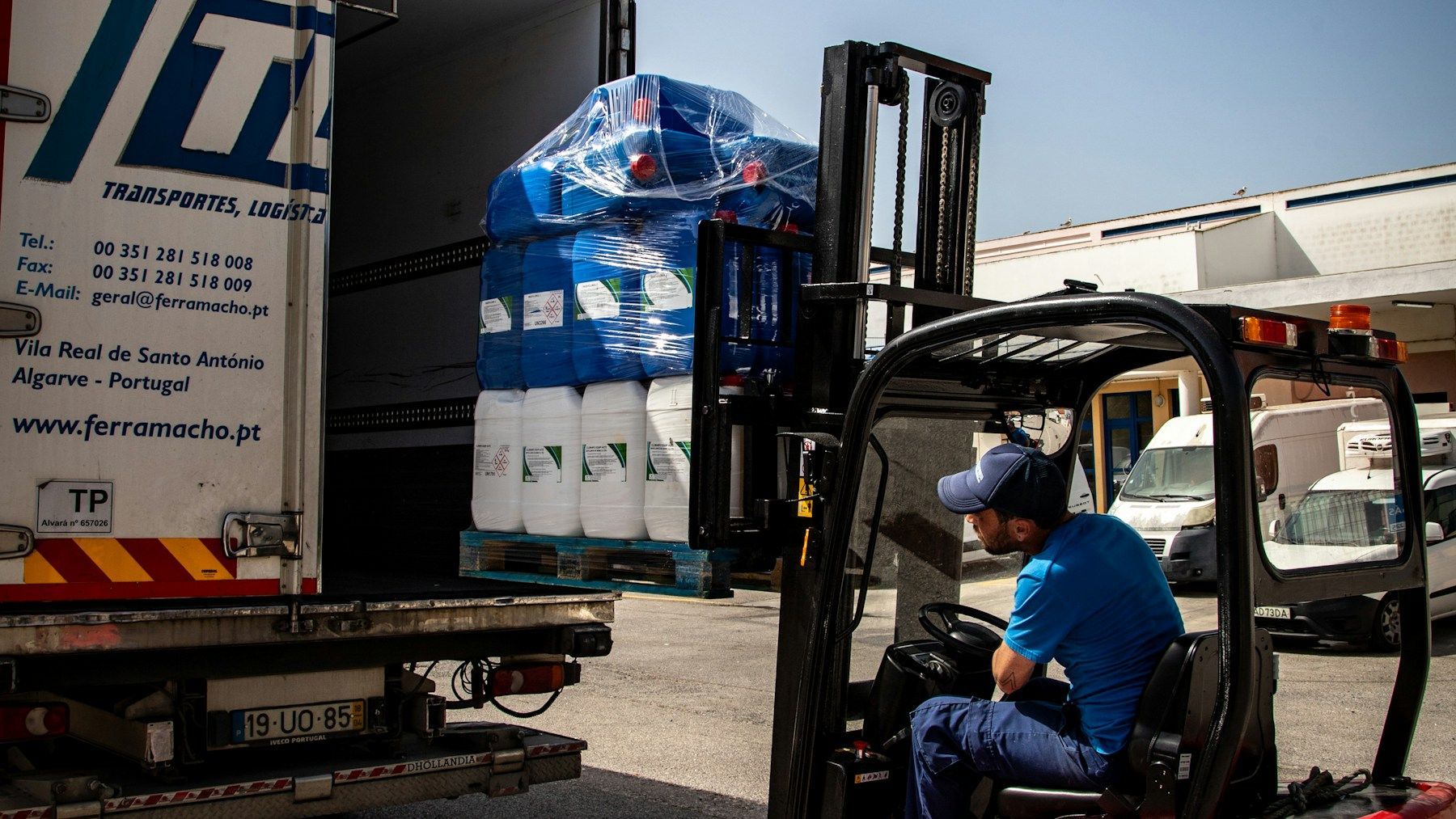
Pallets may require a forklift, pallet truck, tail lift and level surface; steps, gravel, slopes and narrow doors can prevent the expected placement. Documenting the choice creates a repeatable process for staff, reduces last-minute changes and makes future parcel or pallet decisions easier to justify.
Ask both sites what equipment is genuinely available and agree any handling beyond loading-bay or kerbside delivery before the vehicle arrives. The most practical option considers the entire movement, including packaging, lifting, vehicle space, site access, timing and proof of delivery.
Compare timing and service options
Routine parcels may fit a standard network, while a valuable or time-critical pallet might benefit from a more direct movement with fewer handling stages. This should be clarified before booking so the sender, courier and recipient understand how the goods will be handled and what facilities are required.
Delivery format and delivery speed are separate decisions, so do not assume every pallet is slow or every parcel service provides an urgent arrival. Documenting the choice creates a repeatable process for staff, reduces last-minute changes and makes future parcel or pallet decisions easier to justify.
Consider the genuine deadline, recipient opening hours and consequences of delay before choosing a standard, scheduled or time-critical service. The most practical option considers the entire movement, including packaging, lifting, vehicle space, site access, timing and proof of delivery.
Review the complete business cost
Transport charges depend on dimensions, weight, distance, access and handling, so compare accurate completed consignments rather than broad assumptions. This should be clarified before booking so the sender, courier and recipient understand how the goods will be handled and what facilities are required.
Include staff packing time, booking administration, damage risk, failed attempts and recipient equipment when assessing the practical overall cost. Documenting the choice creates a repeatable process for staff, reduces last-minute changes and makes future parcel or pallet decisions easier to justify.
For recurring deliveries, review performance periodically because the format that suited a small order may become inefficient as volumes and products change. The most practical option considers the entire movement, including packaging, lifting, vehicle space, site access, timing and proof of delivery.
Parcel or pallet decision checklist
- Number, size and finished weight of items
- Fragility, value and stackability
- Whether all pieces must stay together
- Loading equipment and access at both sites
- Required timing and recipient availability
Choose a suitable delivery format with LPL
Limerick Pharma Logistics provides parcel and pallet delivery services for commercial customers throughout Ireland. We can review the goods, route, timing and both locations before helping you consider a practical delivery format.
Contact LPL with accurate dimensions, weights and handling information. Choosing the right format at the start can simplify preparation, reduce avoidable complications and support a smoother handover at the destination.