

What Is Temperature-Controlled Delivery and Who Needs It?

August 21, 2026

Share this article

Temperature-controlled delivery is a specialist transport service designed to keep sensitive goods within suitable conditions from collection to handover. It combines appropriate packaging, prepared vehicles, careful handling, route planning and temperature visibility so that a consignment is protected throughout its journey. For Irish businesses moving medicines, clinical supplies, food ingredients or other condition-sensitive products, that continuity can be as important as arriving on time.

The service is not simply “a cold van”. The right approach depends on the product, the required conditions, the journey length, the collection window and what must happen at delivery. Understanding those details helps a business choose a practical transport plan without adding unnecessary complexity.

What temperature-controlled delivery means

Ordinary parcel or pallet transport is suitable for many goods, but some consignments need their environment managed more closely. Temperature-controlled delivery uses a planned combination of equipment and processes to reduce exposure to unsuitable conditions. Depending on the shipment, that may involve insulated packaging, cooling materials, a temperature-controlled load space, monitoring equipment or a combination of these measures.

The required approach should be agreed before collection. A consignor needs to provide accurate information about the goods, packaging, handling needs, collection address, delivery location and timing. The logistics provider can then consider the route, vehicle, loading sequence and handover arrangements.

Cold chain continuity

“Cold chain” describes the connected sequence of storage, handling and transport steps used for temperature-sensitive goods. Each handover matters. A well-prepared journey can still be compromised by a long wait at collection, unsuitable loading practices or an unattended delivery point. Good cold chain transport therefore focuses on the full movement, not only the time spent on the road.

Who needs this type of transport?

Temperature-controlled delivery is most closely associated with pharmaceutical logistics, but it can support several sectors. The deciding factor is not the industry label; it is whether the product may be affected by conditions during transport.

  • Pharmaceutical and healthcare organisations: pharmacies, healthcare suppliers, clinics and related businesses may need planned delivery for medicines, samples or clinical products.
  • Food and hospitality suppliers: certain ingredients and prepared products need managed conditions while moving to hotels, restaurants, cafés or catering locations.
  • Laboratories and research teams: some samples, materials and kits require careful timing, packaging and handling.
  • Manufacturers and distributors: temperature-sensitive components, liquids or finished products may need dedicated or scheduled transport between sites.
  • Retail and eCommerce businesses: specialist products sold directly to customers may need a controlled delivery option rather than a standard parcel network.

Not every item in these sectors requires temperature control. Equally, a product outside these categories may still benefit from it. Businesses should work from the product’s documented transport needs and their own quality procedures when deciding what service to book.

How a temperature-controlled journey is planned

Information before collection

A reliable plan starts with a clear brief. The logistics team should know the shipment size and weight, packaging format, requested temperature conditions, addresses, access restrictions and delivery deadline. Contact details for both ends of the journey are essential, particularly when the consignment cannot be left unattended.

This preparation also determines whether the shipment should travel on a dedicated run, a scheduled route or another suitable service. A direct journey can reduce handling points for urgent or sensitive goods, while a recurring route may suit regular movements between known locations.

Loading, monitoring and handover

Loading should be organised so that goods are secure, accessible in the right order and not left waiting unnecessarily. Temperature monitoring can provide useful visibility during the journey, while real-time vehicle tracking helps the logistics team manage progress and communicate about arrival times. These are different functions: tracking shows where the delivery is, while temperature information relates to the conditions around the consignment.

At delivery, the receiver should be ready to accept the goods and move them promptly to the next suitable storage area. Proof of delivery records the completed handover and supports follow-up if the customer has a question.

Questions to ask before booking

A short planning conversation can prevent avoidable problems. Before confirming transport, consider the following:

  • What conditions does the product require during the entire journey?
  • Is the packaging suitable for the route length and expected handling?
  • Does the collection need to happen within a narrow time window?
  • Will the receiver be available, and are there site access instructions?
  • Is a dedicated delivery, scheduled service, parcel courier or pallet movement most appropriate?
  • What tracking, monitoring and proof-of-delivery information is needed?

The answers help match the consignment to the service. They also give the carrier time to identify practical issues such as restricted loading bays, long internal handovers, rural access or a delivery deadline that affects route planning.

Temperature control within a wider logistics plan

Many businesses need more than one delivery method. A pharmaceutical supplier might use temperature-controlled transport for sensitive products and a commercial courier for documents or ordinary parcels. A hospitality supplier may need cold-chain movement for selected ingredients, pallet delivery for stock, and specialist handling for bar equipment or white goods. Keeping these services within a coherent logistics plan can make collections, routes and communications easier to manage.

Limerick Pharma Logistics supports business deliveries from its Limerick base to destinations across Ireland. Services include pharmaceutical and cold chain transport, parcel and pallet delivery, scheduled logistics, commercial courier work, hospitality logistics, bar equipment delivery and the careful movement of appliances and white goods. The appropriate option depends on the goods and the priorities of each journey.

Choosing a dependable delivery partner

A useful logistics provider should ask detailed questions rather than make assumptions. Look for clear communication, realistic collection and delivery planning, suitable equipment, traceable handovers and a willingness to explain how the proposed service fits the consignment.

Price matters, but it should be considered alongside handling, timing, route design and the consequences of a failed delivery. A cheaper service is not good value if it introduces unsuitable stops, unclear responsibility or an avoidable redelivery. For recurring movements, review the process after the first runs and refine collection times, contacts and delivery instructions where needed.

Need a clear plan for a sensitive consignment? “Request a temperature-controlled delivery quote” from Limerick Pharma Logistics and share the product, route, timing and handling details so the team can discuss a suitable option.

Recent Posts

Busy restaurant service supported by dependable hospitality supplies and deliveries
By Limerick Pharma Logistics • August 24, 2026
See how reliable deliveries help hotels, restaurants and cafés protect service, manage stock and reduce disruption throughout Ireland.

Professional café interior with commercial equipment and service counter
By Limerick Pharma Logistics • August 24, 2026
Learn how planned hospitality logistics supports reliable deliveries of supplies and equipment to hotels, restaurants and cafés across Ireland.
Assorted cardboard parcels prepared for commercial delivery
By Limerick Pharma Logistics • August 24, 2026
Compare parcel and pallet delivery services by size, weight, handling, access and cost to choose the right option for business consignments.
Warehouse forklift and organised palletised goods prepared for commercial transport
By Limerick Pharma Logistics • August 24, 2026
Learn how to choose, stack, secure and label a pallet correctly for safer nationwide business transport throughout Ireland.
Forklift loading securely palletised commercial goods into a delivery truck
By Limerick Pharma Logistics • August 24, 2026
A practical guide to pallet delivery in Ireland, including preparation, access, booking details, handling and proof of delivery for businesses.

Logistics professional using a tablet while planning warehouse operations and delivery routes
By Limerick Pharma Logistics • August 24, 2026
Discover how planned multi-drop delivery routes can reduce duplicated journeys, administration and logistics costs for Irish businesses.

Small eCommerce business owner preparing a parcel for customer delivery
By Limerick Pharma Logistics • August 24, 2026
Practical parcel delivery guidance for Irish eCommerce businesses, covering collections, packaging, tracking, busy periods and returns.
Courier loading cardboard parcels into a delivery vehicle for a same-day business service
By Limerick Pharma Logistics • August 24, 2026
Learn when same-day courier services are worth using and how planning, preparation and tracking support urgent business deliveries across Ireland.

Commercial delivery vehicle travelling an Irish route for scheduled business collections and deliveries
By Limerick Pharma Logistics • August 24, 2026
Learn how scheduled delivery routes improve planning, reduce administration and support reliable recurring logistics for Irish businesses.
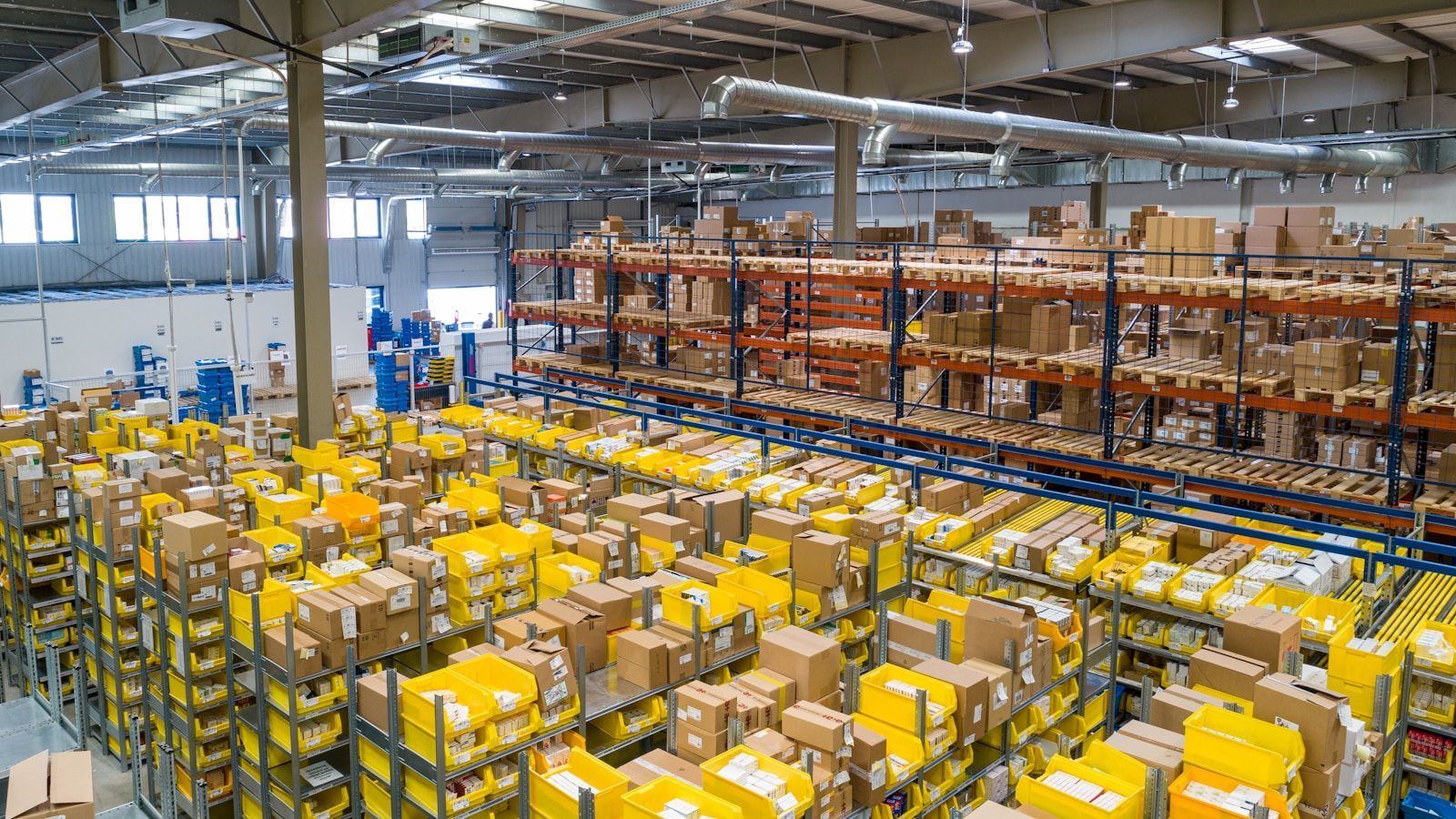
Business consignments in a logistics warehouse supported by real-time delivery tracking
By Limerick Pharma Logistics • August 23, 2026
Discover how real-time tracking improves delivery visibility, communication and planning for Irish businesses using courier and logistics services.
Show More